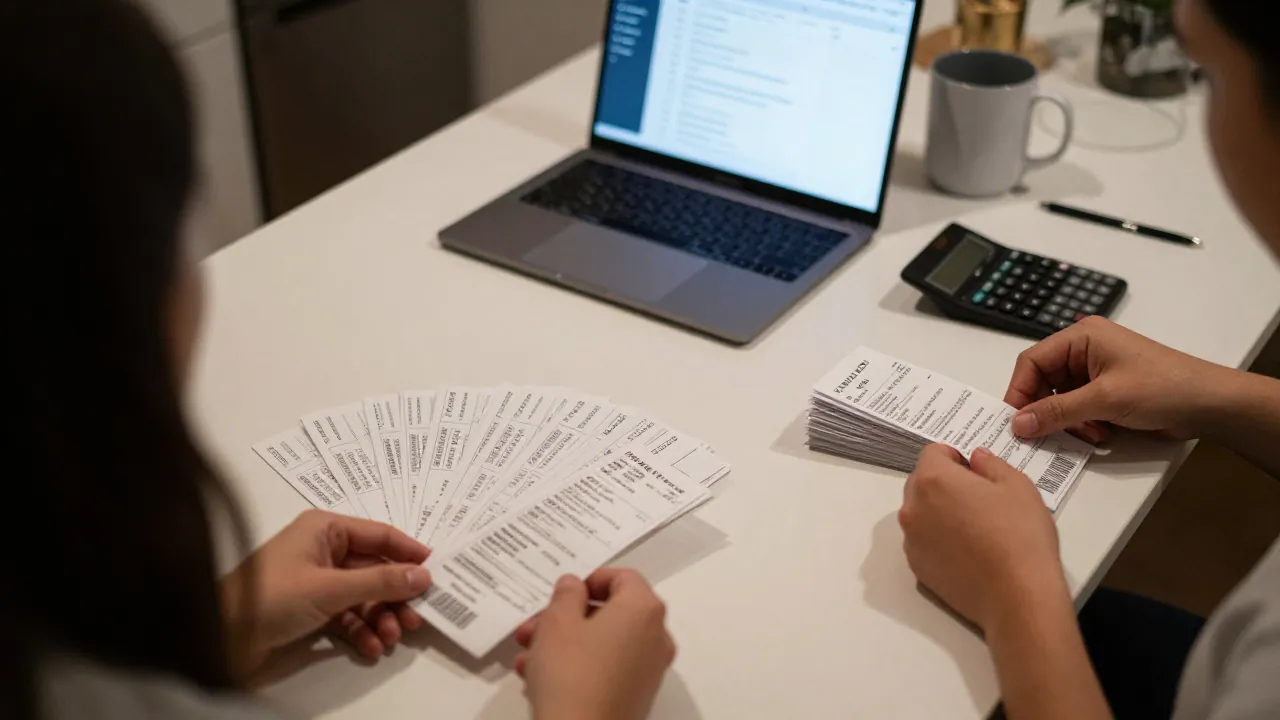
A youth exchange budget is not a single number you agree on in the first meeting and then forget. It is a living document that starts rough and gets sharper as the dates get closer. We have run enough exchanges to know that the groups who struggle are rarely the ones who spent too much on venue hire. They are the ones who forgot the small, boring line items that quietly add up: local transport, materials for the art sessions, the extra night someone needs because their flight lands late. This guide walks through the budget we build for every…
Every spring we get the same email from someone who has just been selected for a youth exchange: the travel is covered, the food is covered, but will they need money for anything else? It is a fair question, and the honest answer is that it depends on the budget line and on how the project was written. Our own guides on how to plan a youth exchange budget come out of years of getting this partly right and partly wrong. Here is what a typical Erasmus+ youth exchange pays for, what it usually does not, and what we now…
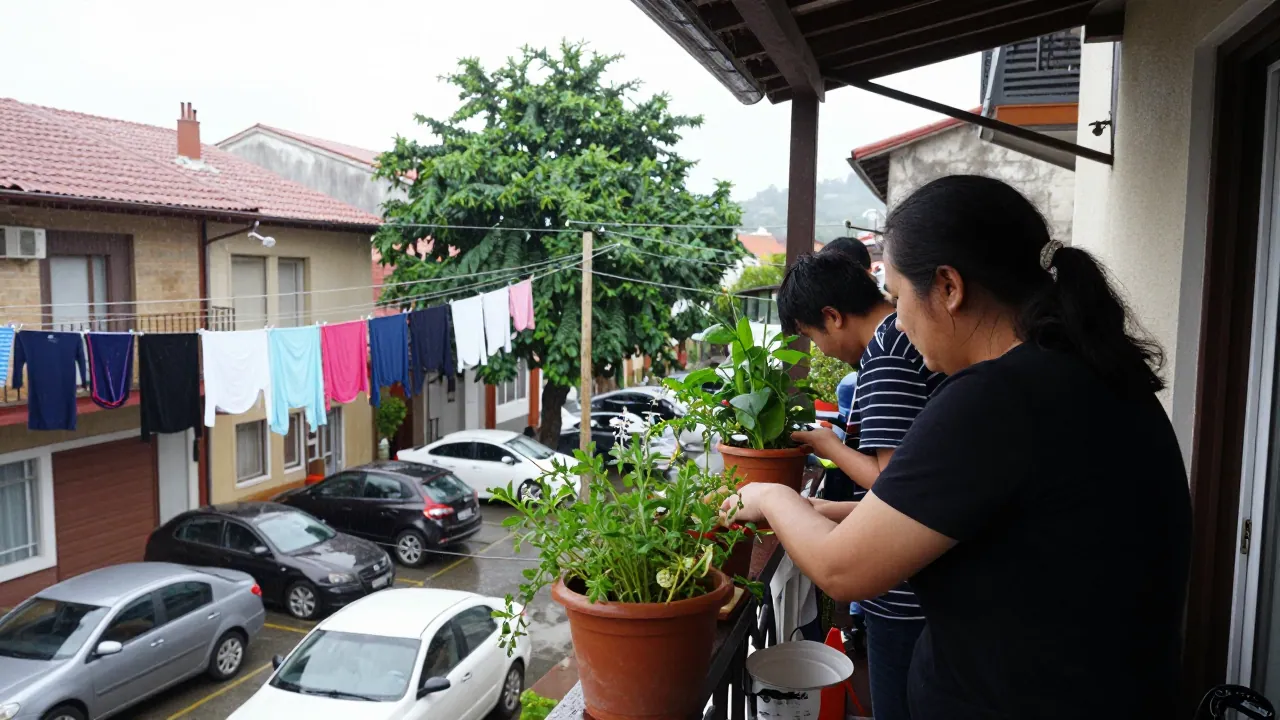
We arrived in Kobuleti on a Sunday evening in late May, tired from two flights and a marshrutka ride, and were handed a key to a flat that three of us would share for the week. That was the first lesson: none of us had a room to ourselves, and nobody minded. Over seven days, twenty-two participants from six countries worked through what it means to consume less and share more — through cooking rotations, a city quest, a clothes swap, and one very wet Wednesday that changed the plan entirely. This is my account of how the week actually…
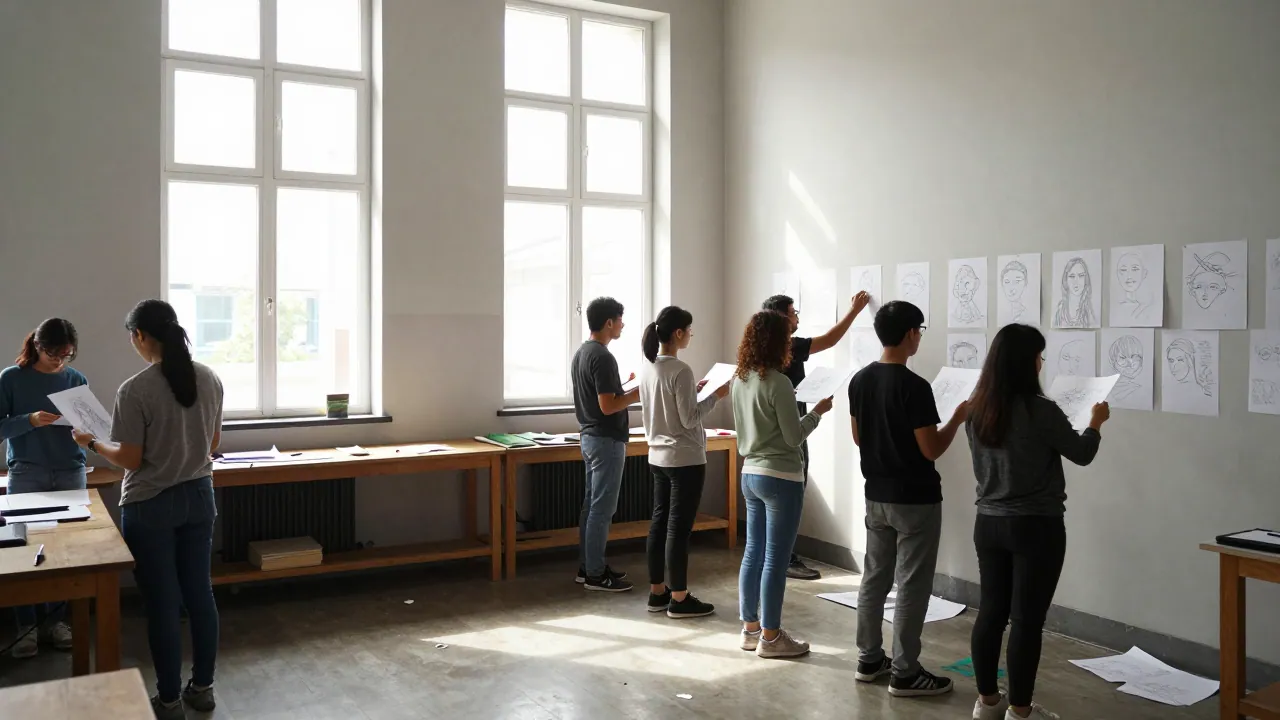
We have all seen it: you spread paper and brushes across the tables, say a few encouraging words, and half the room finds a sudden interest in the coffee corner. In ten years of running art-based youth exchanges, we have learned that reluctance is rarely about laziness. It is usually about fear of being judged, bad memories of art class, or simply not knowing where to start. This guide is for facilitators, volunteers, and hosts who want everyone in the room making something, not just the people who already feel at home with a pencil. You will find warm-ups that…
Every course we run starts with the same unglamorous question: where will people sleep, eat and find a quiet corner? We have learned that a venue can make a small group feel looked after, or quietly wear everyone down by Wednesday. This guide is for hosts and coordinators choosing a place for a group of roughly fifteen to twenty-five people over five to ten days. It walks through the checks we do before signing anything, so you can compare a city hostel, a mountain guesthouse and an empty summer resort on the same terms. We also keep the budget lines…
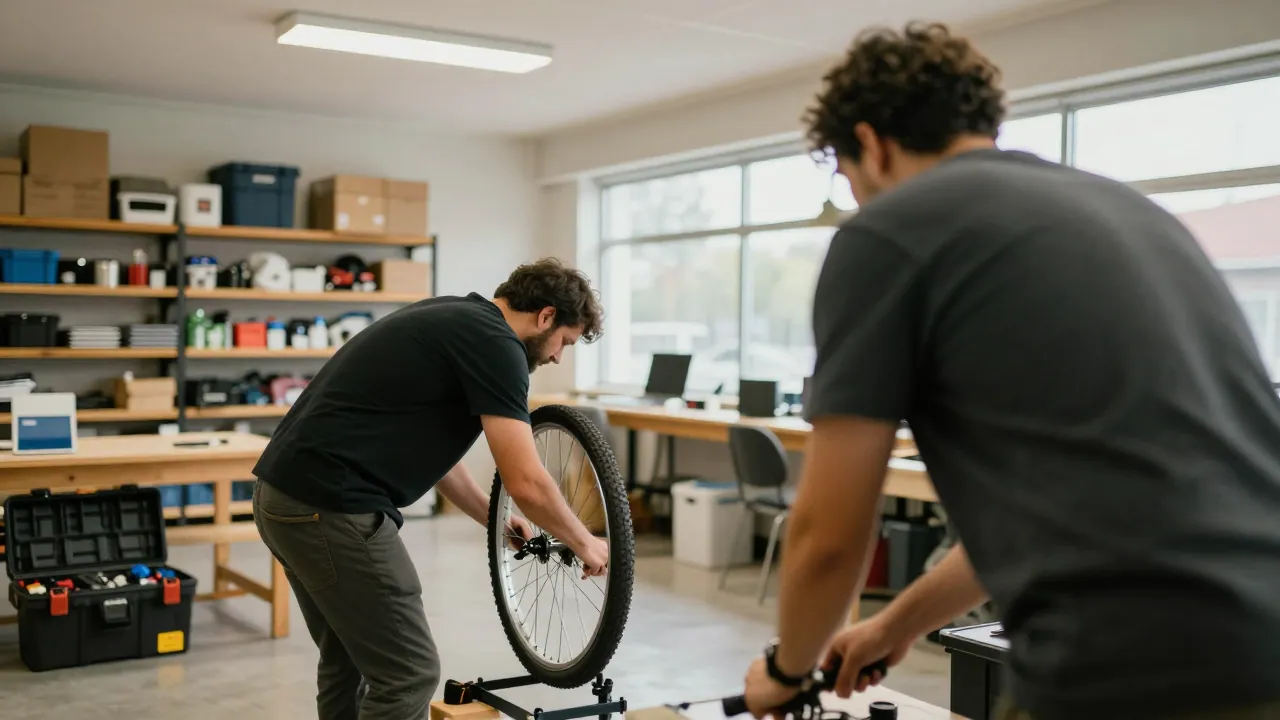
Before a youth exchange starts, we often send participants a short reader on sharing and reuse. It gives everyone a common vocabulary and a way to think about resources before the group meets. The sharing economy, at its simplest, is people using what already exists instead of buying or building something new. That could mean borrowing a projector from a neighbour, cooking one big meal instead of ten small ones, or fixing a bike instead of replacing it. For youth workers, these ideas are not just about saving money. They are about how a group treats its time, skills and…
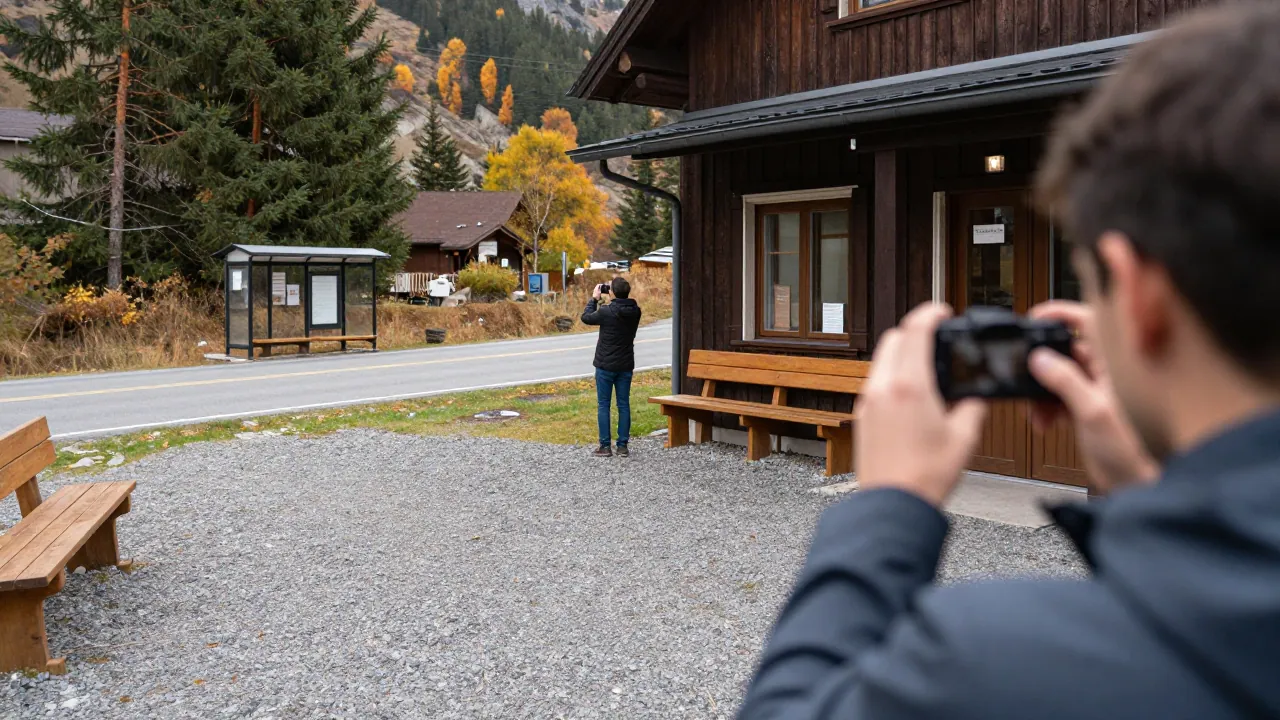
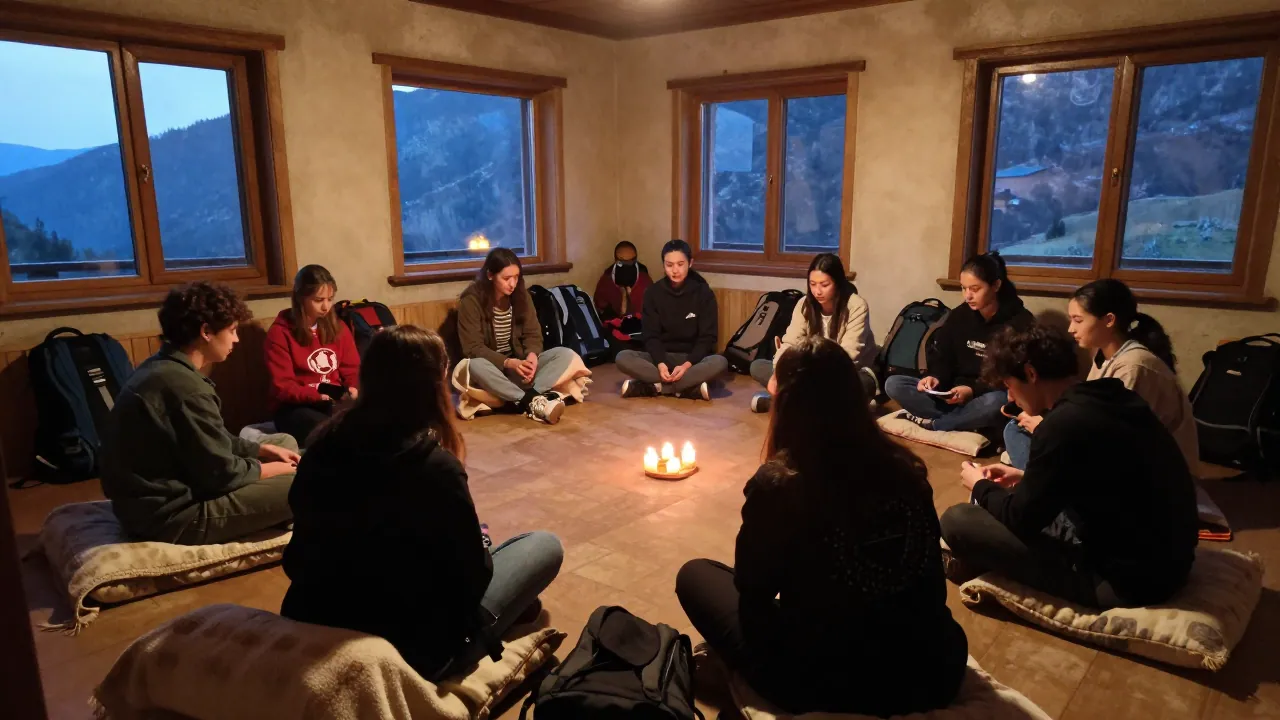
We arrived at the guesthouse near the mountain village on a Sunday evening in late September. Eleven participants, two facilitators, and a dining room we would turn into a studio by morning. The first night was mostly practical: who sleeps where, what we eat, how the week would run. But something else happened too. People spread their sketchbooks on the long table without being asked, and by the time the soup arrived, strangers were leaning over each other's drawings. That small, unplanned moment set the tone for the ten days. We kept the structure light and the materials visible, and…
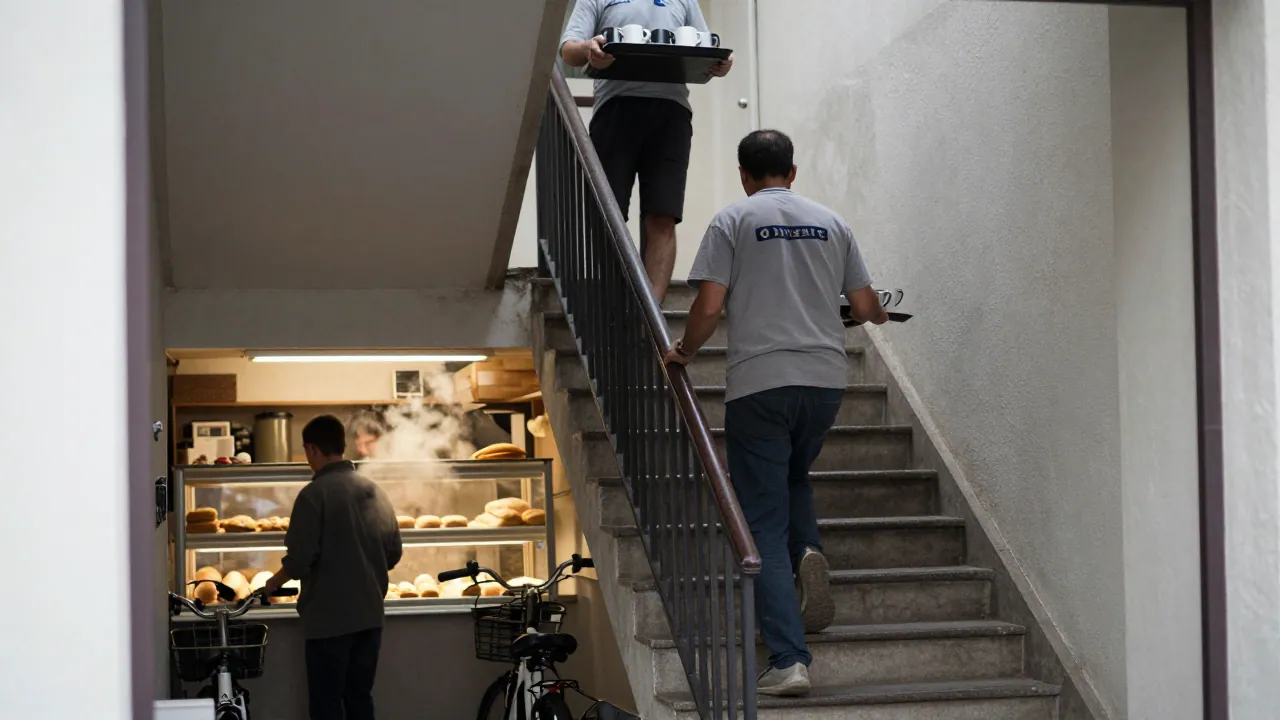
Tomas Reyes arrived in early February for a month-long volunteer placement with a small youth organisation. He had packed a notebook, a warm jacket, and a vague sense that he would be useful right away. The first week proved him wrong in the best way. There were meetings where half the words were new, a kitchen where nobody agreed on where the mugs belonged, and a pile of chairs that needed stacking more often than he expected. By the end of the month, he had learned that settling in is less about big contributions and more about showing up for…
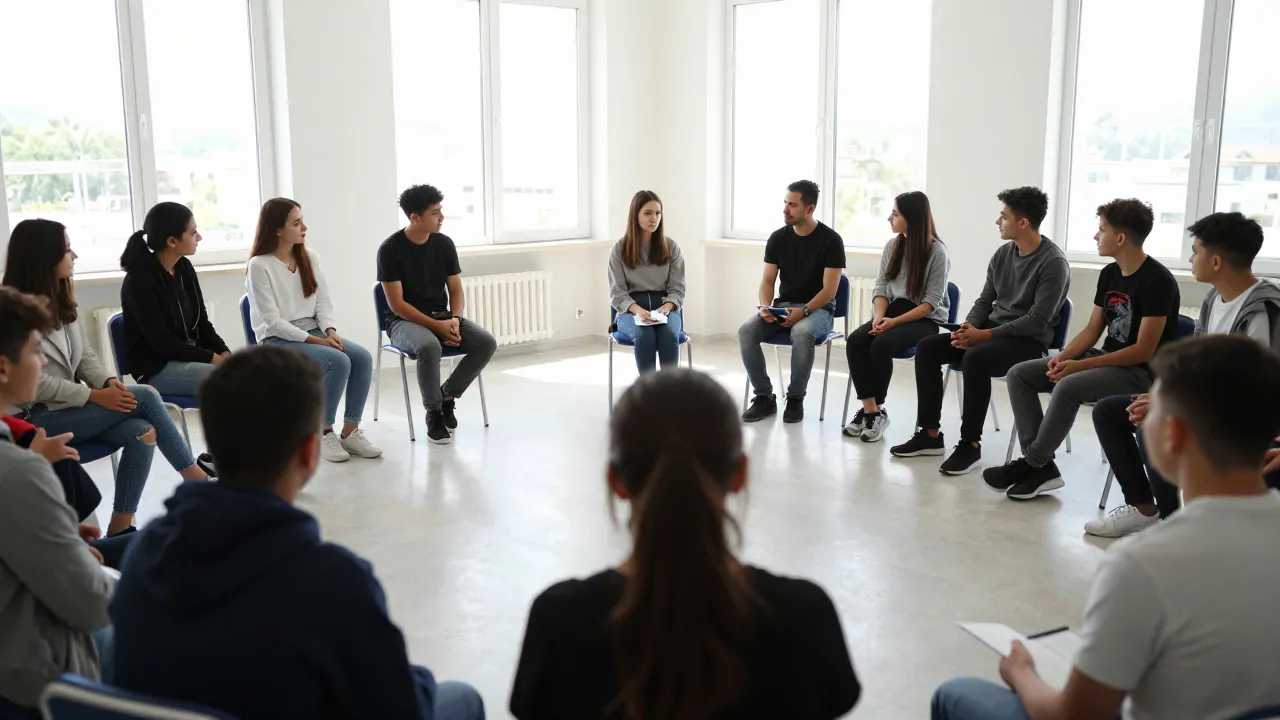
In June 2016 we ran a seven-day youth exchange in Kobuleti, Georgia, on sharing economy and collaborative consumption. The group was mixed by country and age, and most sessions were built around interaction. On day four, a ninety-minute discussion on consumer habits simply stopped. People had plenty to say in pairs but went silent in the circle. We tried three fixes in the room, none of them fully worked. The next morning we changed the format rather than the topic, and the conversation finally moved. This is an honest account of that stall and the small adjustments we kept. We…
We used to treat the agenda as a list of sessions. Now we treat it as a set of decisions about who can take part. After several youth exchanges and art-based training courses, a few small habits have stuck: we build in a slower first morning, we set the room before people arrive, and we explain every task in two ways. None of these are grand gestures. They are scheduling and room-setup choices that cost little and make it easier for people to join in. The shift started after a ten-day course where several participants told us they felt behind…