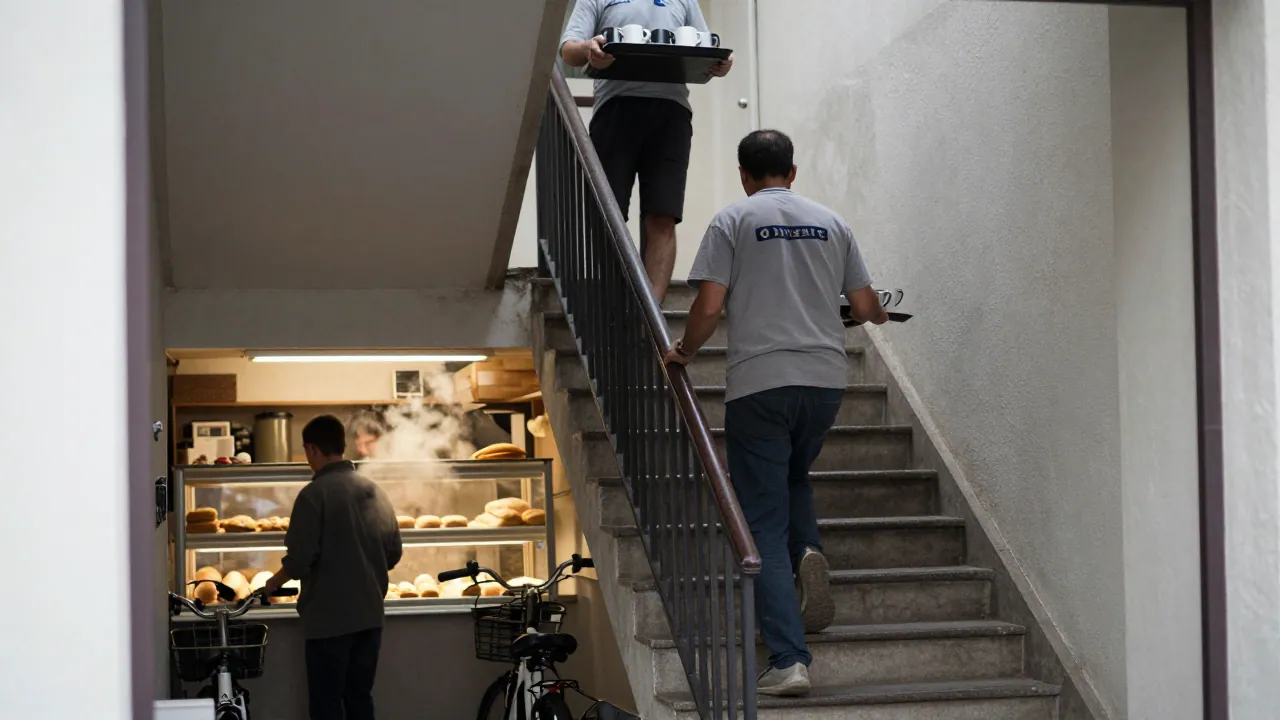
Seven Days in Kobuleti: Notes From a Sharing Economy Exchange
A facilitator's diary of a week built on borrowing, fixing, and trading — including the days when the rain kept everyone indoors.
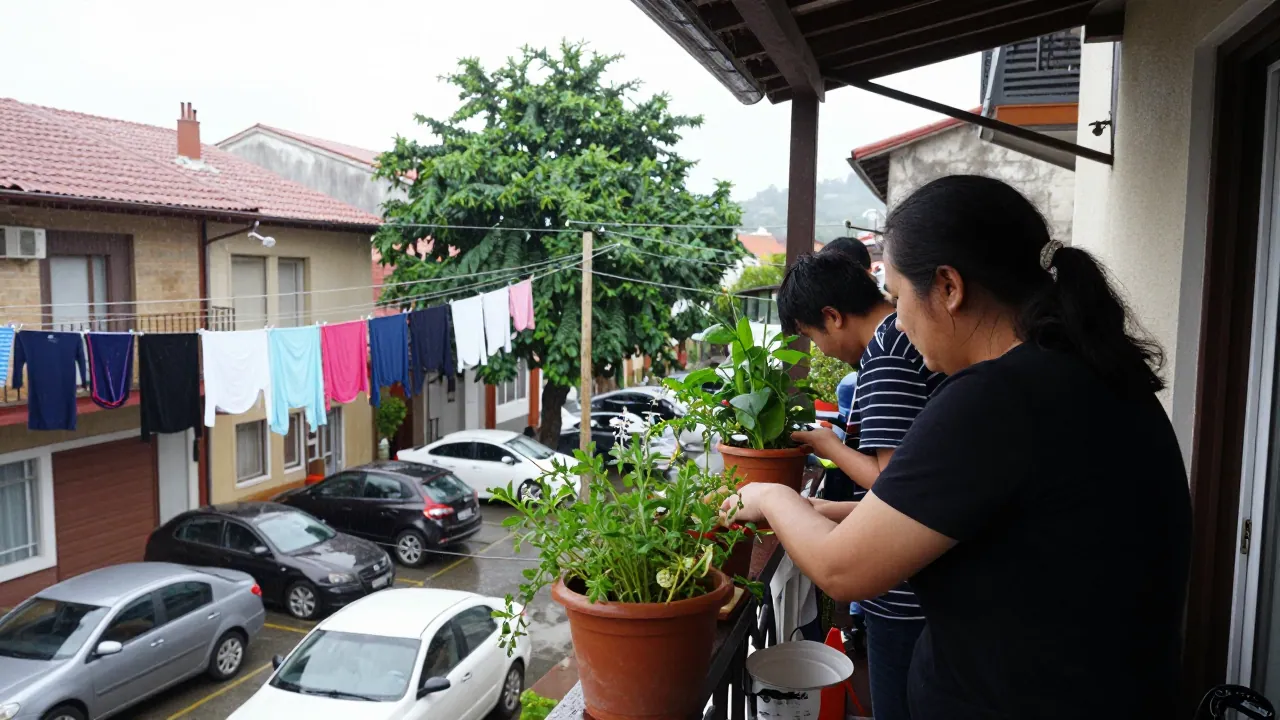
We arrived in Kobuleti on a Sunday evening in late May, tired from two flights and a marshrutka ride, and were handed a key to a flat that three of us would share for the week. That was the first lesson: none of us had a room to ourselves, and nobody minded. Over seven days, twenty-two participants from six countries worked through what it means to consume less and share more — through cooking rotations, a city quest, a clothes swap, and one very wet Wednesday that changed the plan entirely. This is my account of how the week actually ran, room by room and day by day. If you are planning something similar, start with our budget notes.
The flat had one bathroom and a kitchen the size of a large wardrobe. We made a cleaning rota on the first night, and by Tuesday it was running without anyone reminding anyone. That small system did more for the group than any icebreaker I could have designed.
The shape of a typical day
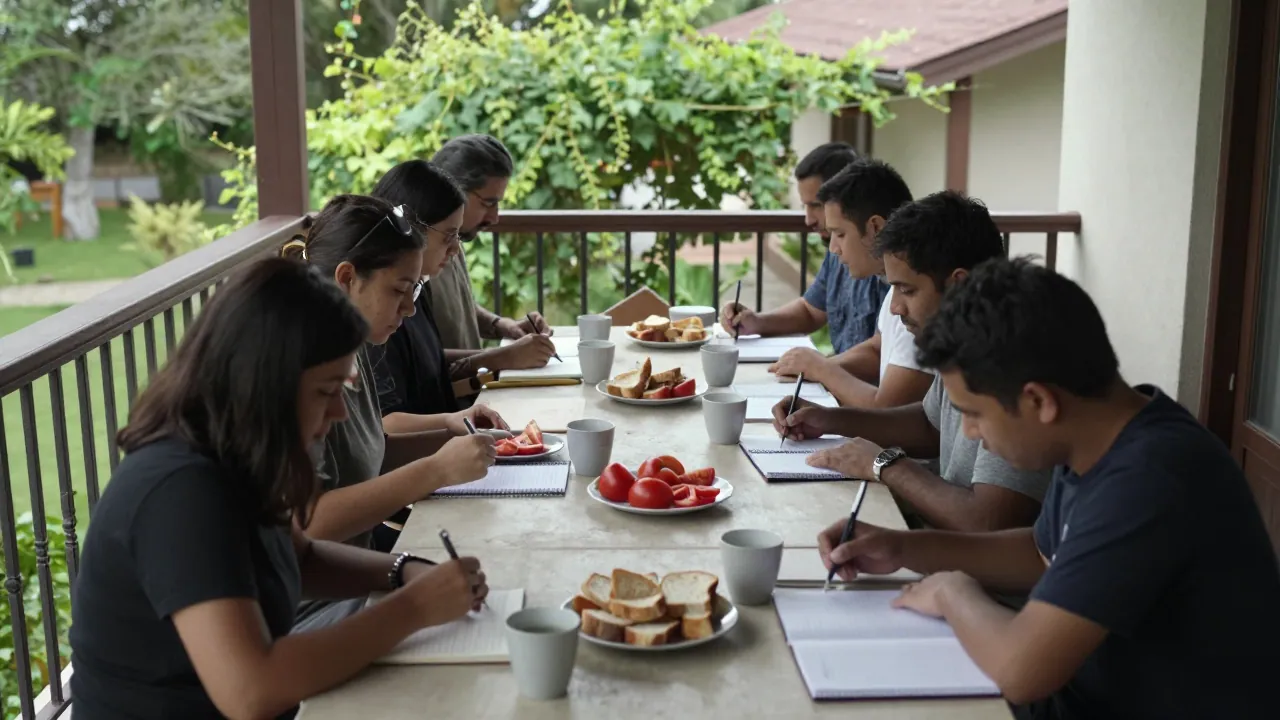
Mornings started at eight with breakfast cooked by a different pair each day. We had a food kitty of 15 lari per person for the week, and the pairs had to plan and shop together. Nobody went hungry, and there was usually leftover bread for the afternoon.
Sessions ran from ten to one, then again from four to seven. The afternoons were deliberately loose: some people napped, some walked to the beach, some sat on the balcony arguing about whether a shared car really counts as sharing. That argument ran all week.
We used the sharing economy explained session on day two as a way to get the vocabulary straight before we moved to the practical tasks. It saved us a lot of talking past each other later.
The city quest and what local people told us
On Tuesday we split into five teams and sent them into town with a short list of questions: who do you borrow tools from, who fixes your bike, where do you get second-hand things. The teams had two hours and had to come back with names of streets and shops, not just opinions.
One team found a man who lends out chairs and tables for weddings from a garage behind his house. Another found a woman who has been trading children's clothes with neighbours for years without calling it anything. The words 'sharing economy' meant nothing to most people we asked, but the practice was everywhere.
I thought I would be explaining a concept. I ended up writing down recipes for borrowing.
When we debriefed that evening, the teams were buzzing. The lesson we kept coming back to: this way of living is not new, it just stopped being visible to people who buy everything new. That framing shaped the rest of the week.
Rain on Wednesday
Wednesday it rained from before dawn until after dark. Our outdoor plan — a swap market in the park — was not going to happen. We moved everything into the two rooms we had and turned the swap into a smaller indoor version: a clothes rail, a book pile, a box of kitchen things people had brought from home.
Half the group was quiet that morning. You could feel the energy drop. Rather than push through the agenda, I put a simple question on the wall: what did you bring that you do not need? People wrote answers for twenty minutes, and then we talked.
What came out was more honest than anything the sunny days produced. One participant said she had packed four pairs of shoes for a week and wore one. Another said he had bought a new jacket for the trip and now felt foolish. Nobody was scolded. The rain did the work of making us slow down.
That day is also the reason I now build slack into every agenda. The facilitation lessons from a quiet session came directly out of this afternoon.
What people carried home
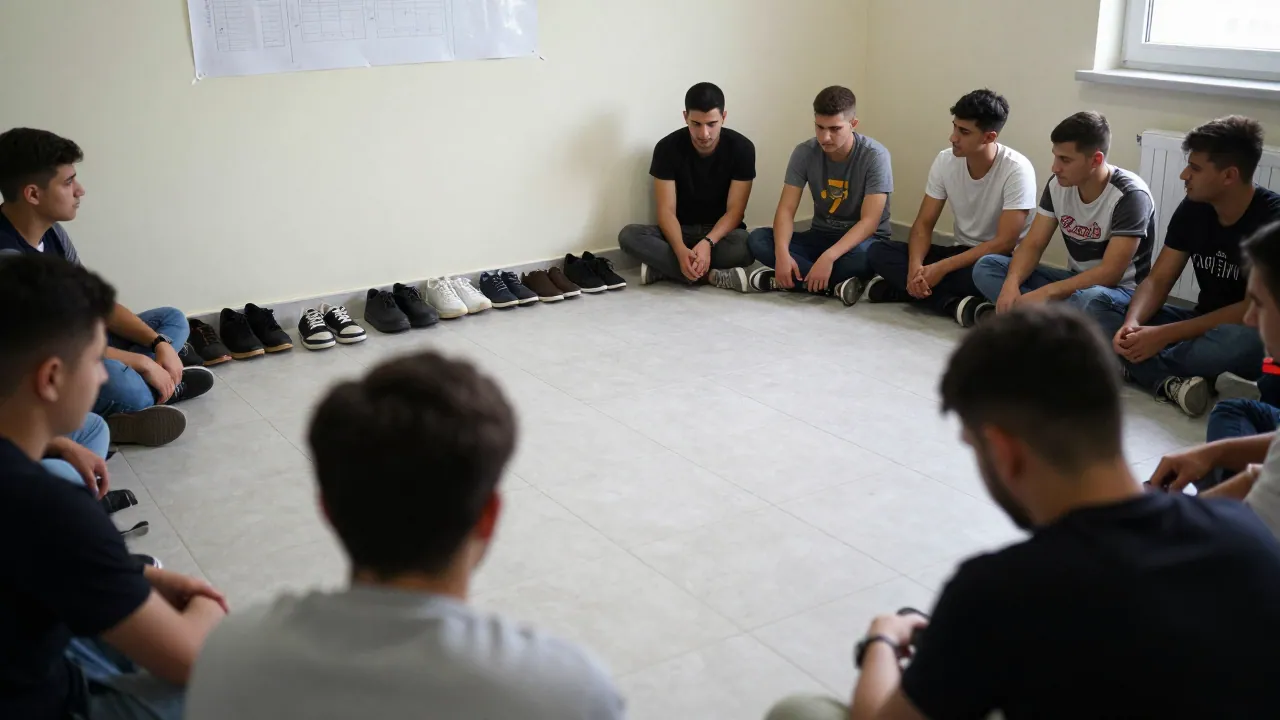
On the last evening we sat in a circle on the floor and each person named one thing they would stop buying when they got home. The answers were specific: plastic bottles, a second pair of trainers, coffee in paper cups, birthday decorations. Specific is what lasts.
We also made a shared document of contacts — repair shops, swap groups, lending schemes people had found in their own towns. It is a small thing, but it means the week does not end when the flights leave.
If you are running something similar, the inclusion habits we build into every agenda are worth reading before you book the venue — especially the bit about giving people a quiet place to go.
The rain was not a setback. It was the part of the week people remember most. The flat, the rota, the borrowed chairs, the swapped jacket — none of it was grand. It was just how a group of people can live for seven days without buying more than they need.
Questions people ask
Where and when did this exchange take place?
In Kobuleti, a small town on the Georgian coast, over seven days in late May. Participants came from six countries and shared flats rather than staying in single rooms.
What is a sharing economy exchange about?
It is a youth exchange that looks at borrowing, swapping, repairing and co-using instead of buying new. Sessions mix discussion with practical tasks like a city quest, a clothes swap and shared cooking.
What happens when the weather ruins the plan?
You shrink the activity and keep the purpose. On our rainy day we moved the swap market indoors and gave the group a written question to answer quietly before talking. It turned out to be the strongest session of the week.