Three Inclusion Habits We Now Build Into Every Agenda
Small changes to timing, room setup, and how we explain tasks have made our exchanges easier to join. Here is what we keep doing and why.
We used to treat the agenda as a list of sessions. Now we treat it as a set of decisions about who can take part. After several youth exchanges and art-based training courses, a few small habits have stuck: we build in a slower first morning, we set the room before people arrive, and we explain every task in two ways. None of these are grand gestures. They are scheduling and room-setup choices that cost little and make it easier for people to join in. The shift started after a ten-day course where several participants told us they felt behind on day one. Since then we have tested changes across projects, and some have held up better than others. What we changed after that course is now part of how we plan.
These habits did not come from a manual. They came from watching what happened when we got the basics wrong, and from asking participants what would have helped. Each one is small enough to fit into almost any agenda.
1. A slower first morning
We used to start at 9:30 with a name game and a full session. Now the first morning has no content before lunch. People arrive, eat, and find the room. We post the day's outline on the wall and leave a facilitator at the door to answer questions. The only scheduled activity is a short welcome circle after coffee, where people say their name, where they traveled from, and one thing they are curious about. Nothing else.
This came after a course where the opening session asked people to share a personal story in pairs within the first hour. Two participants later said they spent the rest of the day recovering from that. We did not need to cut the activity; we needed to move it. Now the first structured sharing exercise happens on day two, after people have eaten together and seen the space.
The slower morning also helps with travel delays. When someone's flight lands at 11 p.m. and they arrive at the venue after midnight, a 9:30 start is a barrier. A free morning means they can join without feeling like they missed the beginning. We learned this the hard way on a project where a participant missed the entire opening because of a delayed connection. Now we plan for arrival as part of the agenda, not as an exception. How we handle arrival night has become a fixed part of our planning.
2. Set the room before people walk in
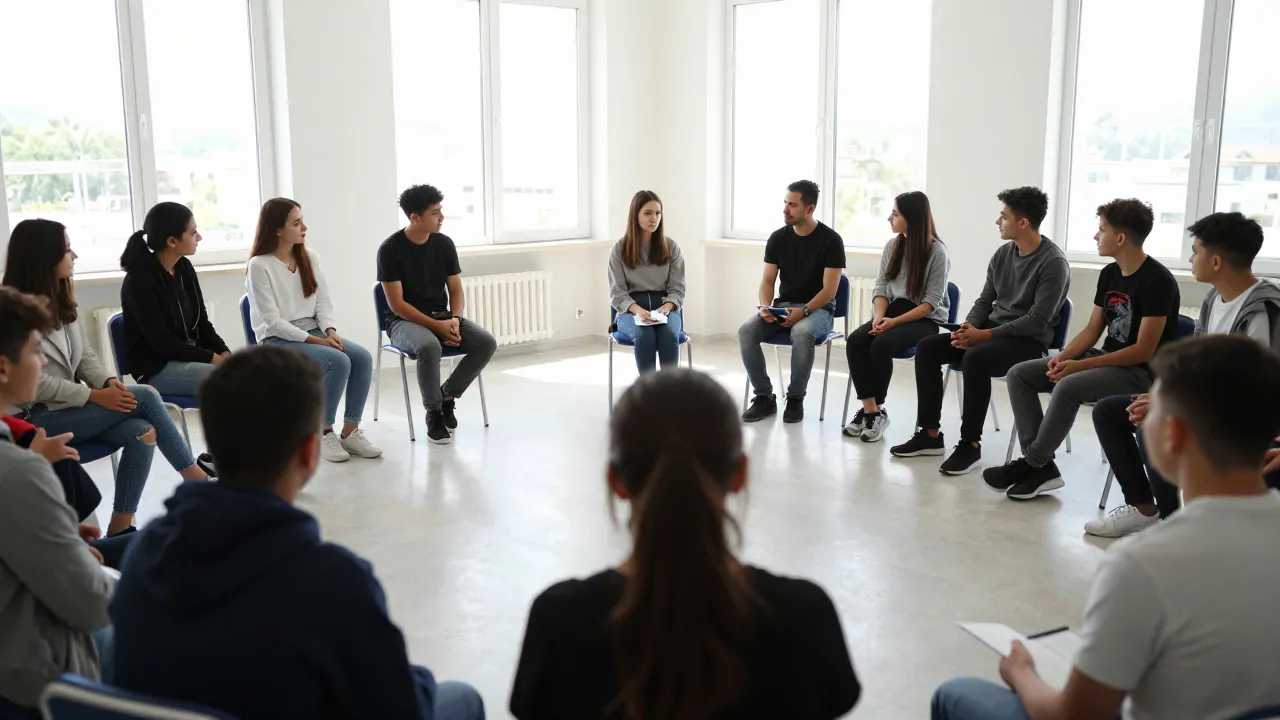
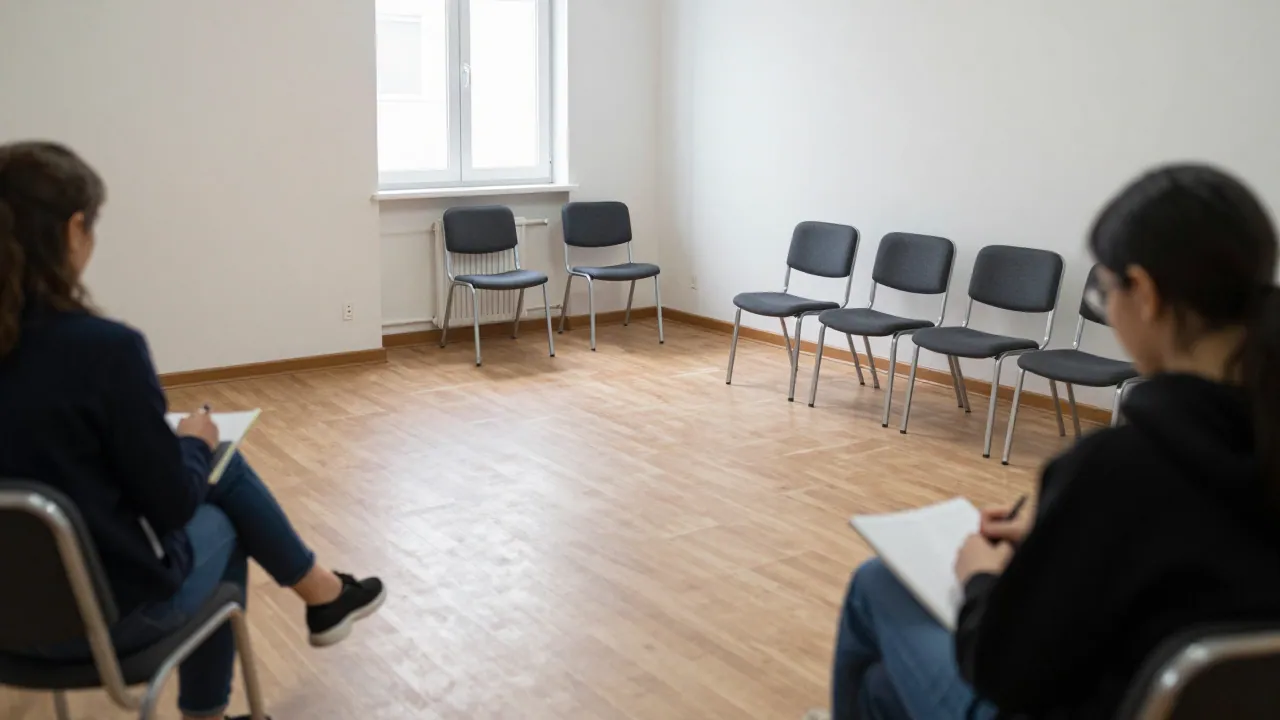
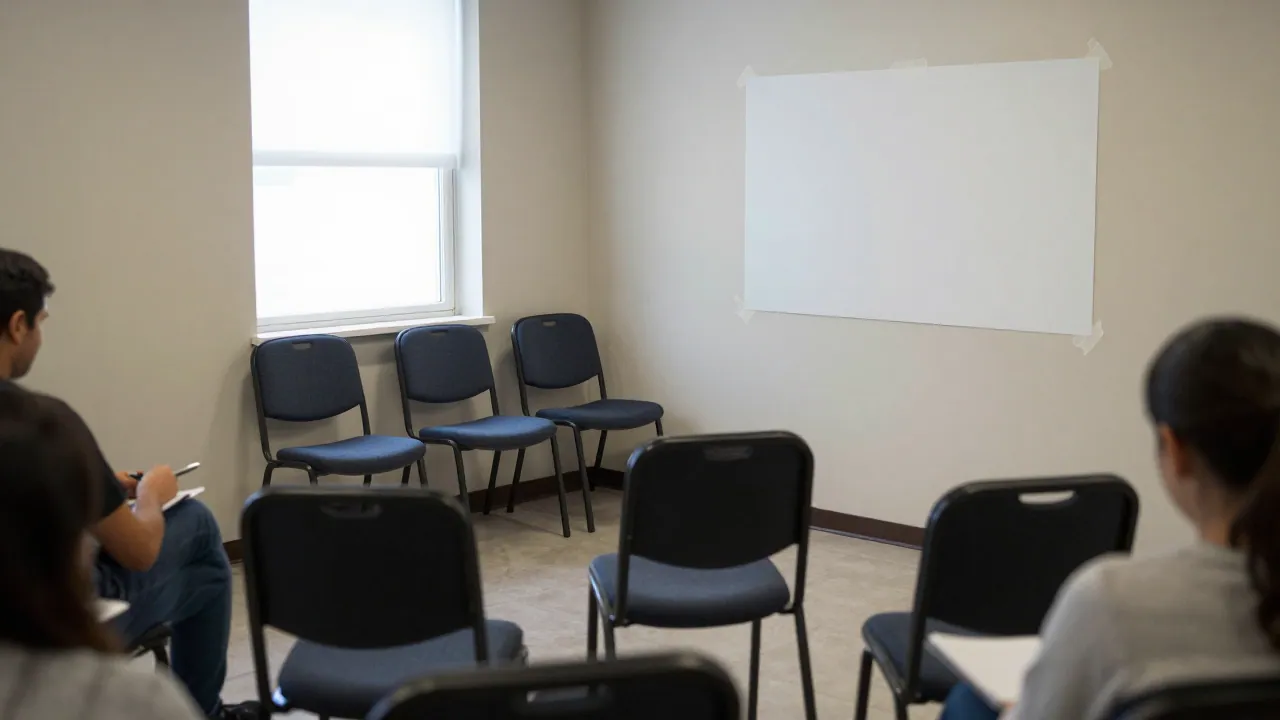
The default room for a training course is rows of tables facing a screen. We now ask for a different setup: chairs in a loose circle or horseshoe, no table between the facilitator and the group, and one quiet corner with a few chairs away from the main circle. The quiet corner is not a punishment or a time-out spot. It is there for anyone who needs to step back for a few minutes and rejoin when they are ready.
We also check sightlines. If someone is hard of hearing or reads lips, a circle works better than rows. If the room is long and narrow, we use a horseshoe so people can see each other without turning. These are simple checks we do the afternoon before the course starts, not on the morning of. That means one of us walks the room with the venue staff, moves furniture, and tests where the facilitator will stand.
On a recent exchange, the quiet corner was used by four different people over ten days. One told us it was the reason they stayed for the whole course. No one had to explain why they were there. The corner was simply part of the room. How we pick a venue now includes a question about whether the main room can be rearranged.
3. Explain every task in two ways
We give instructions twice: once spoken, once written on a flip chart or a handout. The written version stays visible for the whole activity. This is not about reading ability alone. It helps people who lose focus in a noisy room, people who process spoken instructions more slowly, and anyone who joins late. It also cuts down on repeated questions, which means the facilitator can spend time with the group instead of repeating the brief.
For art-based sessions, we add a short demonstration. If the task is to make a collage about a place you miss, we show a half-finished example and say clearly that it is not a model to copy. We also name the materials and where they are. When we ran an art session where half the group would not draw, the fix was not encouragement. It was a clearer brief and a choice of materials. That session taught us a lot about how instructions shape who takes part.
We stopped saying 'this is easy' before a task. For someone who has never used charcoal, it is not easy. Now we say what the task involves and what materials are there.
What we dropped
We no longer use icebreakers that ask people to share something personal in the first hour. We also dropped the practice of going around the circle and asking everyone to say one word about how they feel. For some people, that is a small ask. For others, it is the hardest part of the day. We replaced both with low-stakes introductions and optional sharing. If someone wants to pass, they pass, and we move on without comment.
We also stopped scheduling back-to-back sessions with no gap. A fifteen-minute break between blocks sounds minor, but it changes how people arrive at the next session. They can use the bathroom, get water, or step outside. The agenda looks less full, and the group is more present. When facilitation went quiet was partly about not leaving room for those gaps.
How to start
Pick one habit and try it on your next project. The slower first morning is the easiest to add because it only changes the agenda. The room setup takes a conversation with the venue. The two-way instructions take a flip chart and a few extra minutes of preparation. None of them require a bigger budget. If you are planning a course, our budget guide shows where these choices fit without adding cost.
We do not get this right every time. On a recent project we forgot to set the quiet corner until day three, and two people told us they had been leaving the room instead. The habits work when they are built into the plan, not added when something goes wrong. That is why they are now part of our standard agenda template.
Questions people ask
Do these changes add cost to a project?
Mostly no. A slower first morning changes the agenda, not the budget. Room setup is a conversation with the venue. Printed instructions cost a few sheets of paper. The main cost is preparation time, which we now plan for.
What if the venue cannot rearrange furniture?
We ask before booking. If the main room is fixed, we look for a second space or adjust the session design. A room that cannot be changed limits what the group can do, so it is part of choosing a venue.
How do we know these habits are working?
We ask in the daily closing circle and in the final evaluation. We look for whether people felt able to join at their own pace. We also watch who uses the quiet corner and who arrives late, and we adjust.