The Sharing Economy, Explained for Youth Workers
A plain-language look at sharing and reuse ideas you can bring to an exchange, and why they matter for inclusion.
Before a youth exchange starts, we often send participants a short reader on sharing and reuse. It gives everyone a common vocabulary and a way to think about resources before the group meets. The sharing economy, at its simplest, is people using what already exists instead of buying or building something new. That could mean borrowing a projector from a neighbour, cooking one big meal instead of ten small ones, or fixing a bike instead of replacing it. For youth workers, these ideas are not just about saving money. They are about how a group treats its time, skills and stuff — and who gets left out when we assume everyone can simply buy what they need. In this piece we explain the terms, show how sharing works on a real exchange, and clear up a few common misunderstandings. You can read it as background before your first exchange.
What the sharing economy actually means
The term gets used for everything from car clubs to tool libraries to meal-sharing apps. In our work, we keep it simple: the sharing economy is any arrangement where people get access to something without owning it outright. You share a kitchen, a van, a skill, a spare room. The key is that the resource is already there. Nobody had to manufacture a new one.
There are three common forms we see on exchanges. First, sharing things: one set of art supplies for the whole group, a borrowed speaker, a second-hand notebook. Second, sharing time and skills: a participant who knows first aid runs a short session; someone else teaches a song. Third, sharing space: a partner organisation lends a room, or the group uses a public park instead of renting a hall. None of these require a big budget. They require a bit of planning and a willingness to ask.
| Form of sharing | What it looks like on an exchange | Why it helps |
|---|---|---|
| Sharing things | One box of markers and paper for 25 people, borrowed projector, second-hand name badges | Cuts costs and waste; everyone has the same materials |
| Sharing time and skills | A participant leads a morning warm-up; a local volunteer shows how to cook a group meal | Values what people already know; builds confidence |
| Sharing space | Using a partner's classroom in the evening; meeting in a public library | Keeps the budget for food and travel; connects the group to the neighbourhood |
When we ran a ten-day art course last spring, we asked participants to bring one tool from home they were happy to lend. By day three there was a shared table with scissors, glue guns, a sewing kit and a small hammer. People borrowed and returned without fuss. It saved us buying duplicates and it sparked conversations about where things come from. If you are planning something similar, our notes on running an art-based session when half the group won't draw show how shared materials can lower the pressure to perform.
Why sharing matters for inclusion
Not everyone arrives with the same resources. Some participants can buy a new backpack or a train ticket without thinking; others cannot. A group that assumes private ownership — each person brings their own everything — quietly excludes people who cannot afford to. A group that builds sharing into the plan makes participation cheaper and more equal.
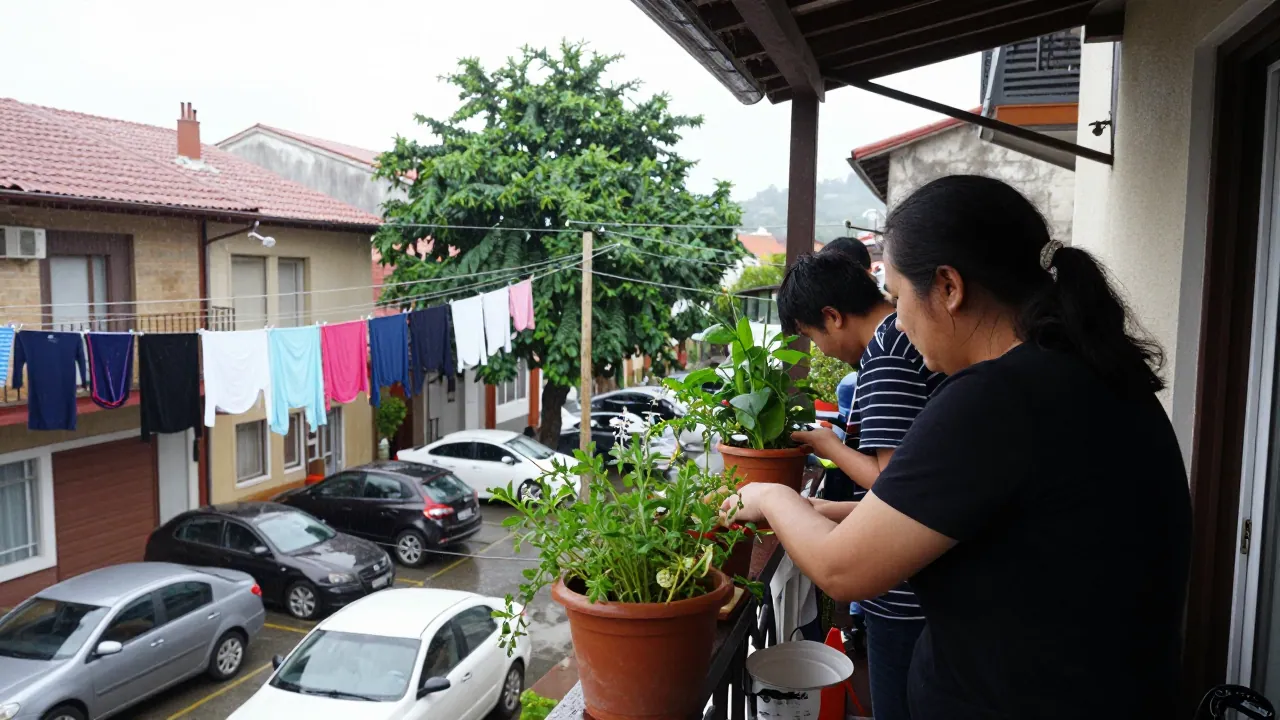
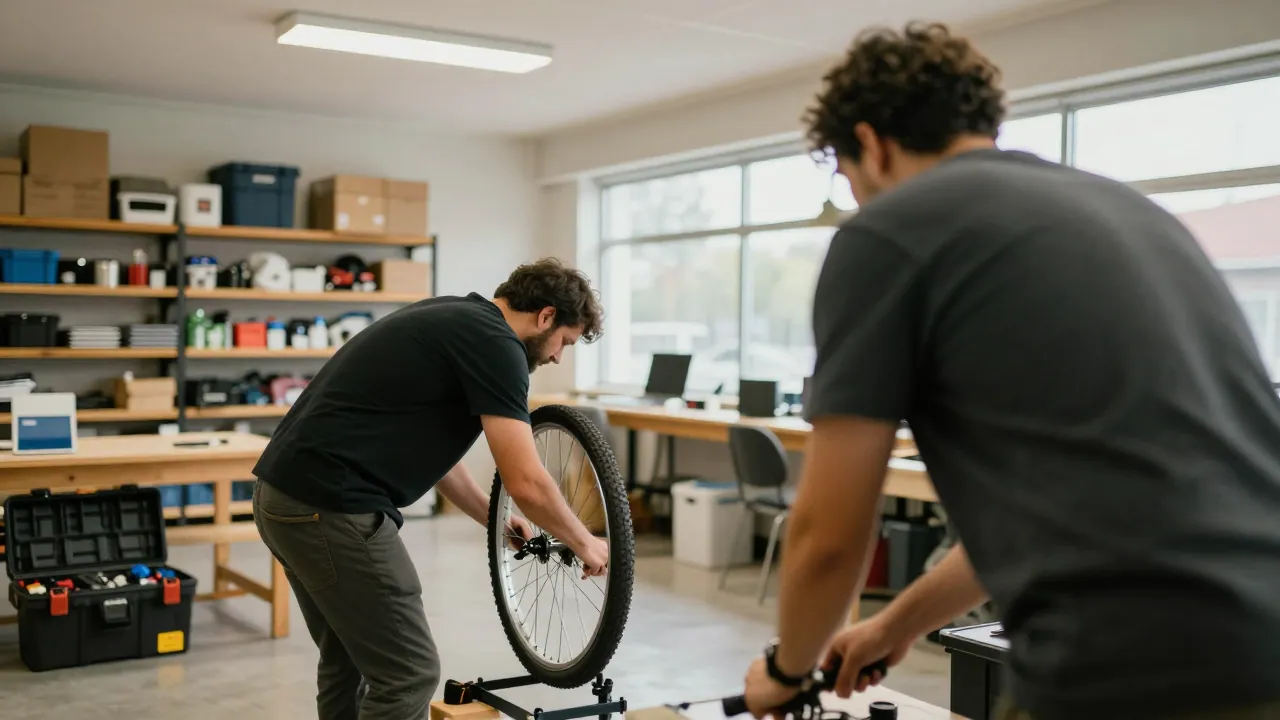
This is not only about money. Sharing also makes room for different skills and rhythms. A participant who is shy about speaking in the big group might be the one who knows how to fix a bike or cook for twenty. When we share tasks, we notice those skills. On a recent exchange in Kobuleti, the group cooked together every evening. The people who normally stayed quiet in workshops were often the ones leading the kitchen. You can read more about that week in Seven Days in Kobuleti: Notes From a Sharing Economy Exchange.
Sharing also has limits. Some things should not be shared: personal medication, toothbrushes, anything that carries stigma. And some people need their own space or their own materials to feel safe. Good sharing is opt-in and clear. We say what is available, how to borrow it, and when it comes back. We do not pressure anyone to give what they cannot spare. These small habits are part of the three inclusion habits we now build into every agenda.
How sharing shows up in the budget
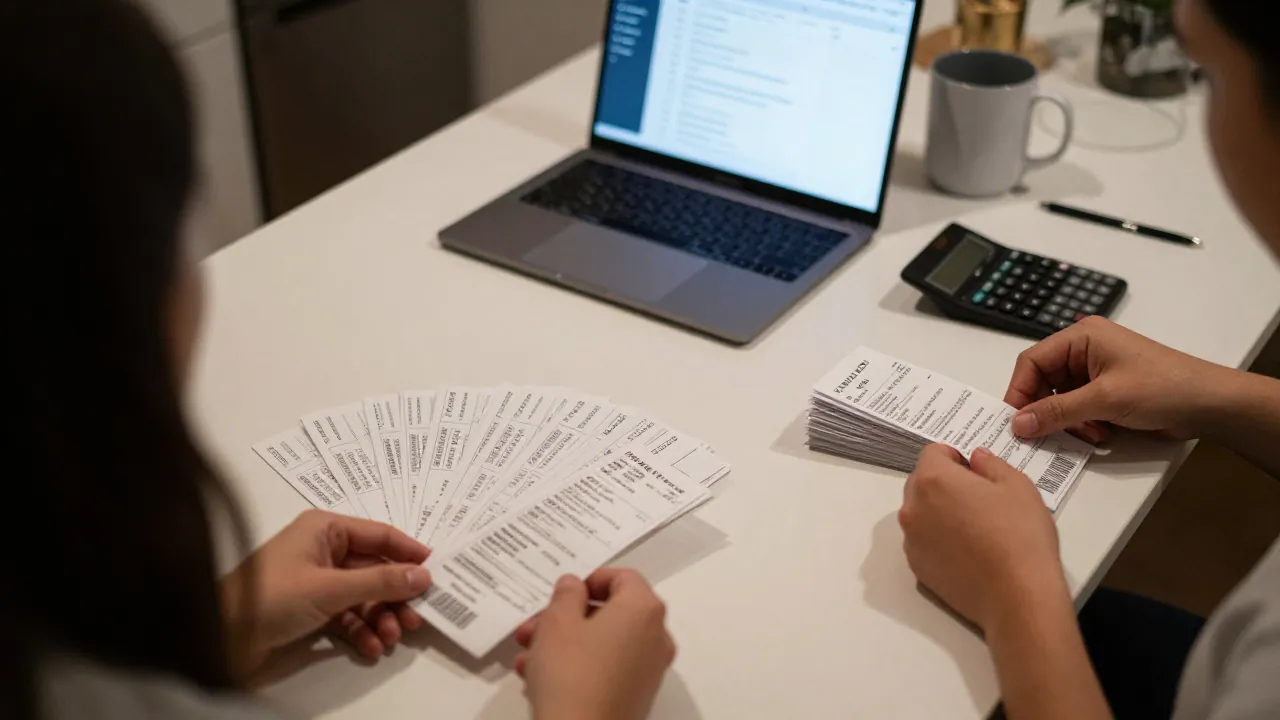
A youth exchange budget usually has lines for travel, food, accommodation, materials and facilitation. Sharing and reuse can touch every line. Borrowing a venue instead of renting one frees money for food. Cooking group meals instead of eating out is cheaper and often more inclusive. Second-hand or donated materials reduce the materials line. None of this means cutting corners on safety or quality. It means asking what we already have access to before we spend.
We keep a simple rule: for any item over a small threshold, ask three questions. Can we borrow it from a partner or a participant? Can we reuse something from a previous project? Can we do the activity without it? Often the answer to one of these is yes. When it is not, we buy, but we buy with the whole group in mind. For a fuller picture of how these choices fit together, see How to Plan a Youth Exchange Budget That Holds Up.

Common myths, cleared up
Myth one: sharing is always free. It is not. Sharing costs time, coordination and sometimes a small deposit. Someone has to keep track of the borrowed projector and make sure it comes back. That labour is real, and it should be recognised and rotated, not dumped on one person.
Myth two: sharing is only digital. Apps and platforms get the headlines, but most sharing on an exchange happens face to face: a list on the wall, a box by the door, a kitchen rota. Low-tech sharing is often more accessible, especially when internet is patchy or participants have different levels of digital confidence.
Myth three: sharing is only for big cities or well-funded groups. In practice, small groups in rural areas share more out of necessity. The habit is already there. Our job is to name it, make it fair, and not romanticise it. Sharing out of poverty is not the same as sharing by choice. The goal is to make sharing a deliberate, dignified option, not a last resort.
Try it before your next exchange
If you want to introduce sharing and reuse ideas to a group, start small. Before the exchange, ask each participant to bring one thing they are happy to lend and one thing they need. Put both on a shared list. At the start of the week, agree on a simple borrowing rule: ask first, return by the end of the day, put it back where it came from. Review it at the midpoint. That is enough to begin.
If you are newer to this work, our piece on what Erasmus+ youth exchanges actually cover explains the basics of the format. And if you are choosing a venue, consider what the space already offers — a kitchen, a garden, a tool cupboard — before you look for a bigger budget. How we pick a venue for a small training course goes into that in more detail.
Sharing is not a magic solution. It will not fix unequal travel costs or visa fees. But it is one practical way to make a group feel more equal, more creative and less wasteful. And it starts with a simple question: what do we already have?
Questions people ask
Is the sharing economy the same as volunteering?
No. Volunteering is unpaid work for an organisation or cause. Sharing is about access to resources — things, time, space — without owning them. They can overlap, but they are different ideas.
Do we need an app or platform to share on an exchange?
No. A list on the wall, a box by the door, or a kitchen rota works well. Low-tech sharing is often more inclusive because it does not assume everyone has a smartphone or data.
What if someone does not want to share their things?
That is fine. Sharing should always be opt-in. We explain what is available and how to borrow it, but nobody is pressured to lend or give. Respect for personal boundaries is part of good sharing.