How to Plan a Youth Exchange Budget That Holds Up
A line-by-line guide to the costs we track from first draft to final report, and the places where groups most often run out of money.
A youth exchange budget is not a single number you agree on in the first meeting and then forget. It is a living document that starts rough and gets sharper as the dates get closer. We have run enough exchanges to know that the groups who struggle are rarely the ones who spent too much on venue hire. They are the ones who forgot the small, boring line items that quietly add up: local transport, materials for the art sessions, the extra night someone needs because their flight lands late. This guide walks through the budget we build for every project, from the first draft to the final report, so you can see where the money actually goes. If you are new to the funding side, start with what Erasmus+ covers.
Who this guide is for
This is for the person on your team who ends up holding the spreadsheet: often a project coordinator, a volunteer, or a facilitator who did not expect to be doing finance. You do not need accounting training. You need a clear list of what to track and the discipline to update it. By the end, you will be able to build a budget that survives contact with reality, and you will know which lines to watch most closely.
The three passes of a budget
We never try to get the budget right on the first attempt. We build it in three passes, each one more detailed than the last.
Pass one: the rough draft
This happens before you have a venue or a final participant list. You estimate travel, accommodation, food, materials, and facilitation. The numbers are guesses, but they force you to see whether the project is even possible within the funding you expect. This is the pass where most groups discover they have planned a ten-day exchange on a seven-day budget.
Pass two: the confirmed plan
Once dates, venue, and participants are confirmed, you replace guesses with quotes. This is where you add the line items that only become visible when you know who is coming and how they are traveling. A participant arriving by train at 11 p.m. needs a different plan than one landing at the airport at noon. This pass is also where you finalise your contingency.
Pass three: the final report
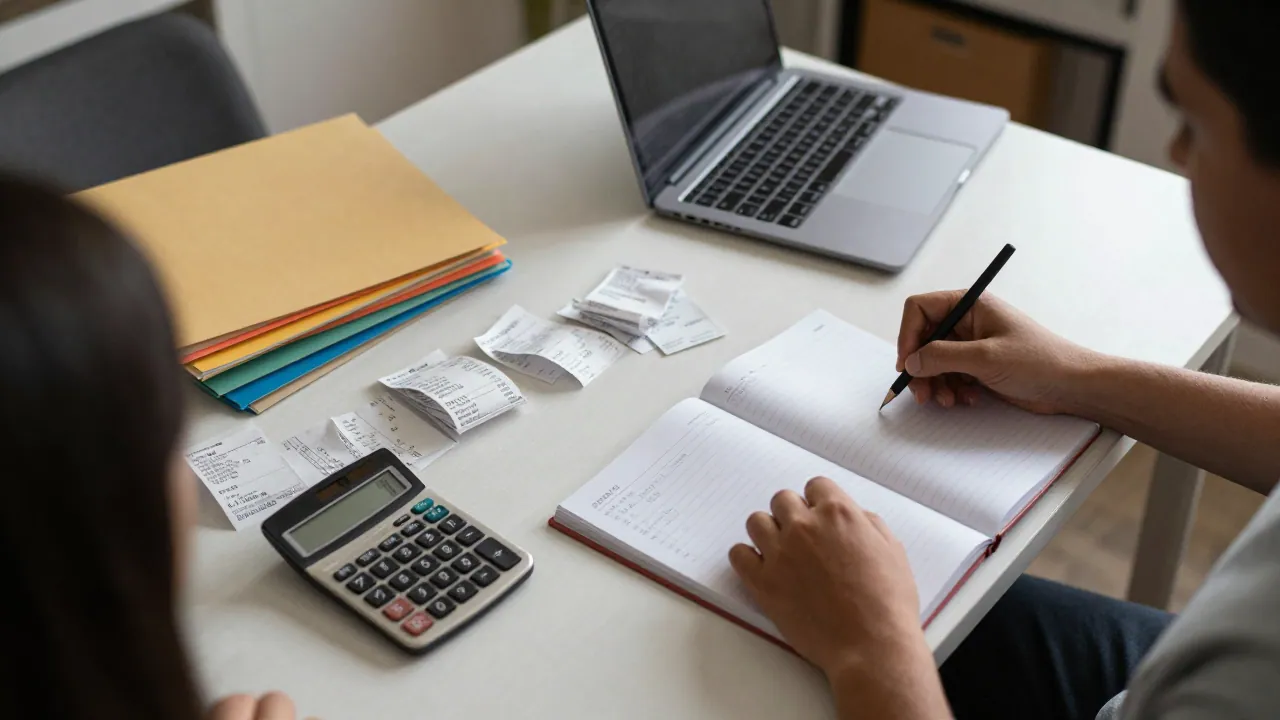
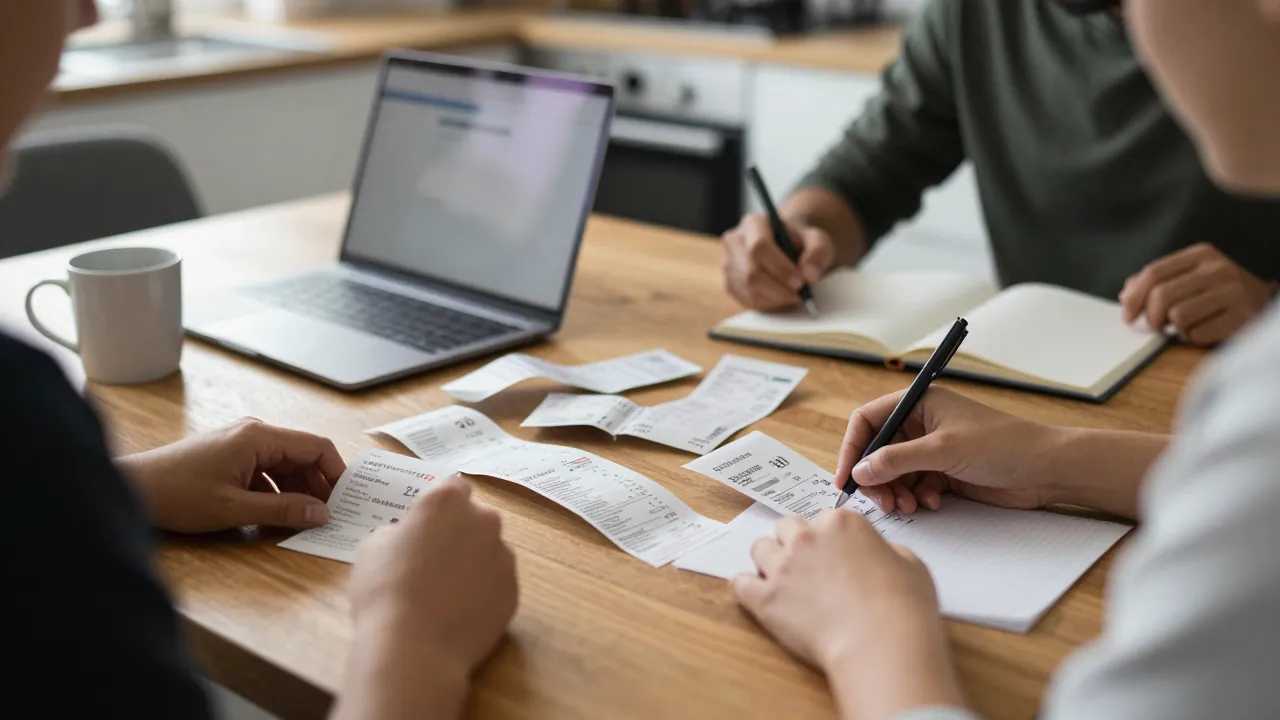
After the exchange, you reconcile what you planned against what you spent. Receipts get matched to lines, and any overspend gets explained. If you have kept the budget updated weekly during the project, this pass takes an afternoon. If you have not, it takes a week and involves a lot of email.
The line items we track
These are the categories we use for every exchange. Your project may need fewer or more, but this list is a good starting point.
- Travel: international and local, including airport or station transfers.
- Accommodation: nights, plus any extra nights for early arrivals or late departures.
- Food: three meals a day, snacks, and dietary needs.
- Venue and workspace: room hire, equipment, internet.
- Materials: art supplies, printing, flipcharts, anything consumed during sessions.
- Facilitation: fees if you pay facilitators, plus their travel and accommodation.
- Access and inclusion: extra support costs for participants who need them.
- Communication: phone credit, online tools, printing of handouts.
- Contingency: a protected line for the unexpected.
- Administration: bank fees, insurance, small overheads.
For a more detailed look at what a funder will and will not reimburse, see our breakdown of Erasmus+ youth exchange costs. It is worth reading before you finalise pass two.
| Line item | Usually underestimated? | Why |
|---|---|---|
| Local transport | Yes | Airport transfers and daily trips are often left out of the first draft. |
| Food | Sometimes | Dietary needs and snacks add up over ten days. |
| Materials | Yes | Art sessions consume more supplies than groups expect. |
| Extra nights | Yes | Early arrivals and late departures are easy to forget. |
| Contingency | Almost always | Groups tend to spend it in their heads before the project starts. |
Where groups usually underestimate
After several exchanges, we have learned to watch a few lines more closely than others. These are the ones that break budgets.
Local transport
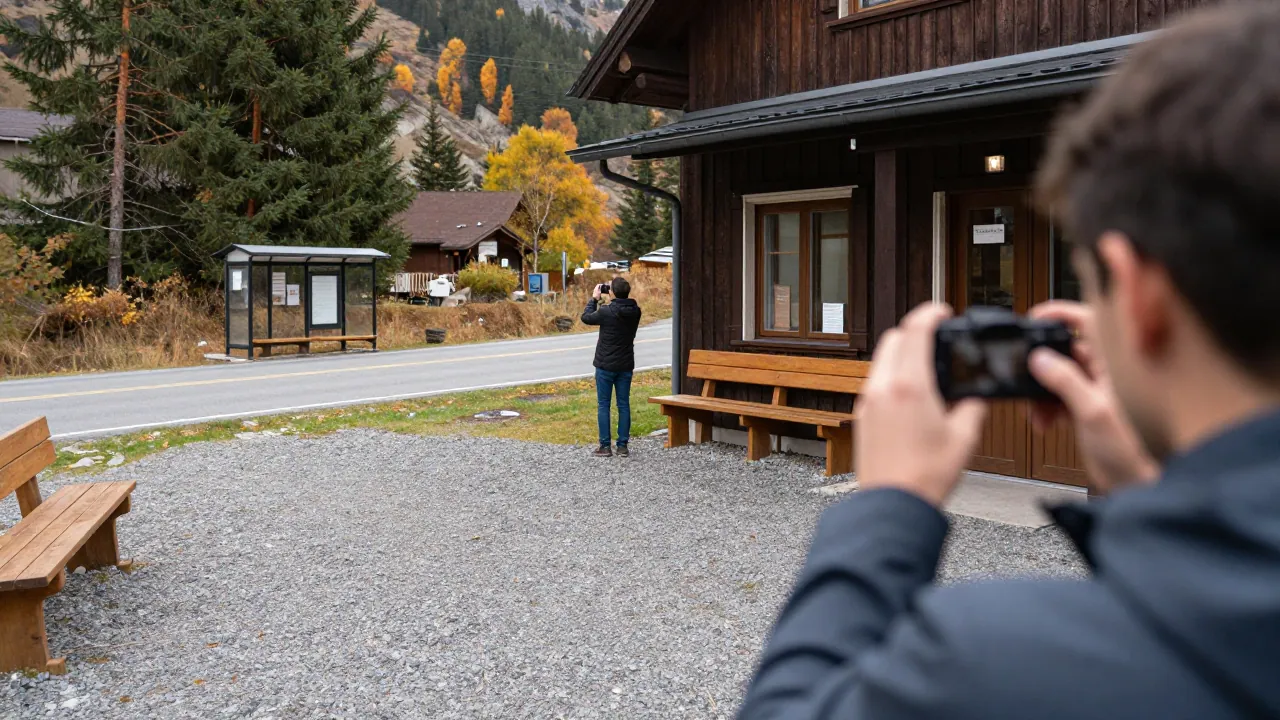
International travel is visible and easy to plan. The taxi from the airport at midnight, the bus to the venue, the trip to the museum on day four: these are small costs that multiply. We now budget a flat local transport amount per participant and track it weekly. If you are choosing a venue, our guide to picking a venue for a small training course covers how location affects these costs.
Materials for art-based work
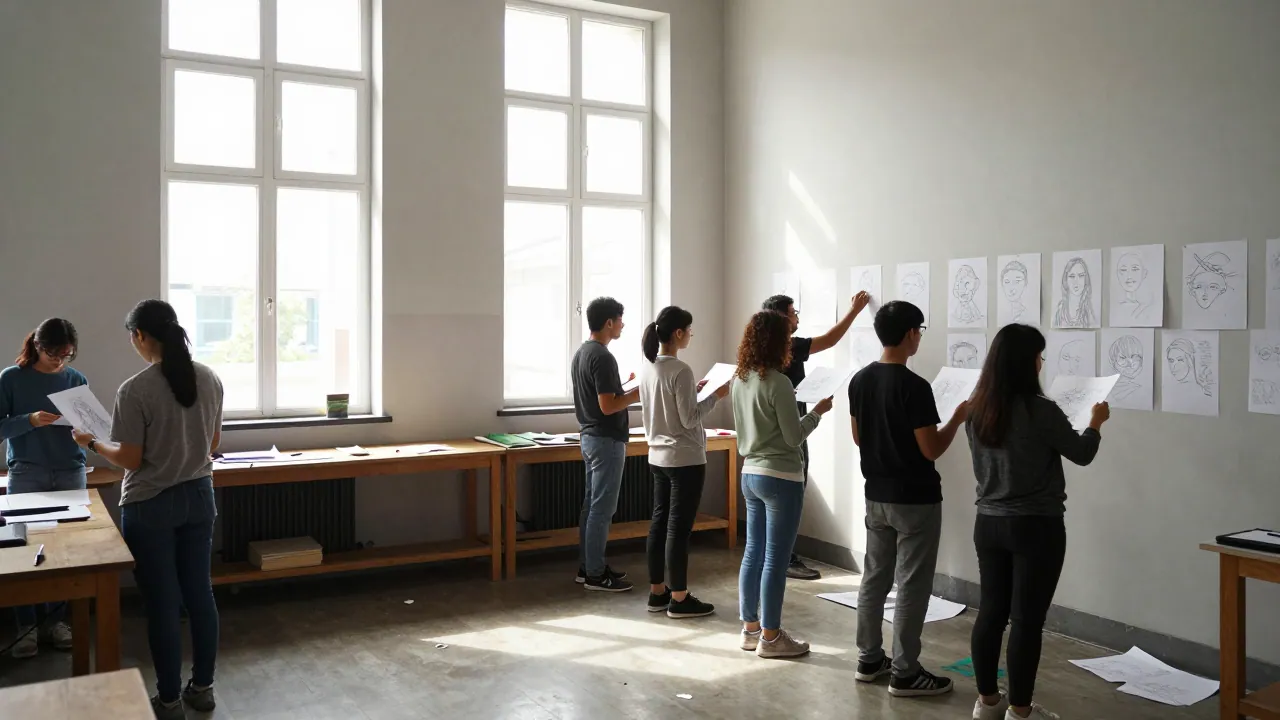
Art supplies are consumed faster than you think, especially with a group that is new to creative work. Paint, paper, tape, scissors, and printing add up. We set a materials budget per participant per day and stick to it. If your sessions involve drawing or painting, read running an art-based session when half the group won't draw for tips on keeping material use efficient.
Extra nights and dietary needs
Every exchange has at least one participant whose travel requires an extra night. Every exchange has dietary needs that cost a little more. These are not luxuries; they are part of running an inclusive project. Budget for them from the start, and check our notes on three inclusion habits we build into every agenda for how this looks in practice.
How to keep the budget alive during the project
A budget that lives in a folder on someone's laptop is already out of date. We keep ours open during the project and update it weekly.
- Assign one person to own the budget and one backup who can update it.
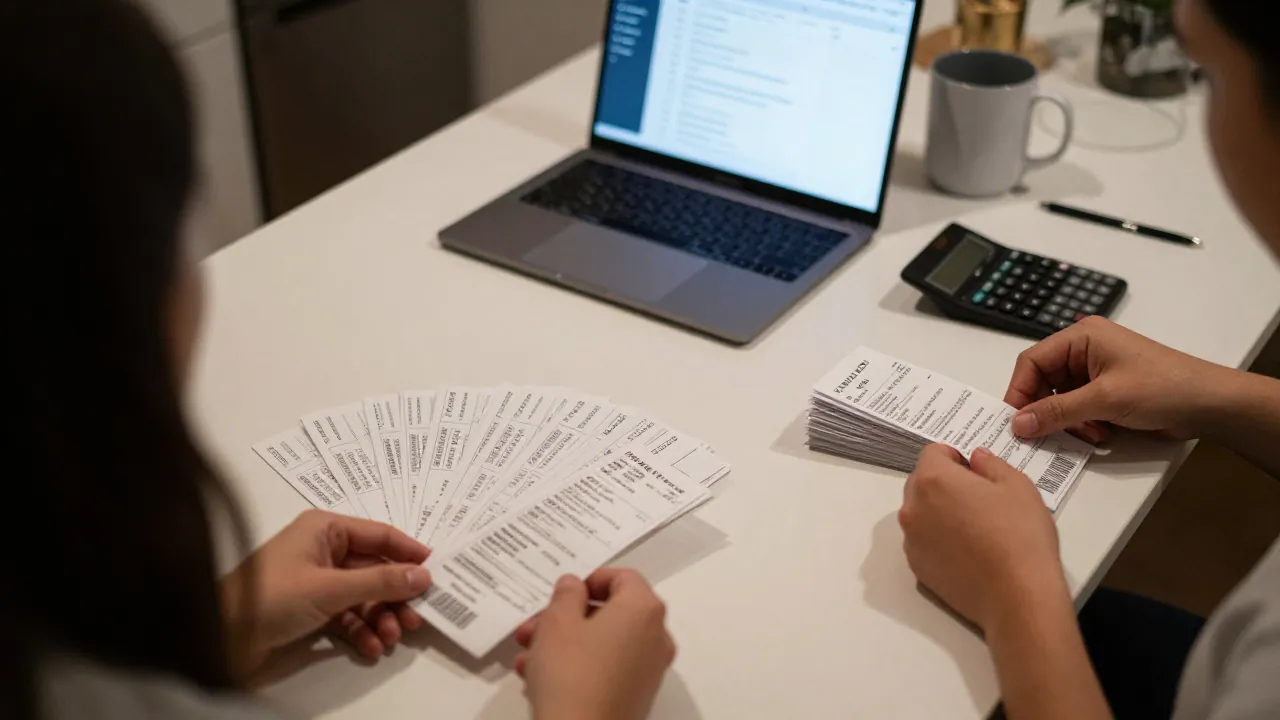
- Collect receipts daily in a shared envelope or folder, not at the end.
- Hold a ten-minute budget check every Friday with the facilitation team.
- Flag any line that is more than 15 percent over its plan immediately.
- Keep a simple log of decisions that changed the budget, with dates.
This routine is boring, which is exactly why it works. The groups that struggle are rarely the ones who spent too much on one thing. They are the ones who did not notice five small overspends until it was too late.
Common mistakes and how to avoid them
- Building the budget alone. Involve the facilitation team and a participant representative early.
- Forgetting the final report costs. Printing, translation, and admin time are real.
- Treating contingency as spare money. It is not; it is insurance.
- Ignoring currency fluctuations if you are working across borders. Add a small buffer.
- Waiting until the end to reconcile receipts. Weekly is easier and cheaper.
If you are running a longer project, our recap of a ten-day art course from arrival night to closing circle shows how these budget habits play out day by day.
Questions people ask
How much contingency should we plan for?
We aim for at least 10 percent of the total budget. For projects with complex travel or many dietary needs, we go up to 15 percent. Treat it as untouchable during planning.
Who should own the budget?
One person should own it, with a backup who can update it if they are unavailable. The owner does not need finance training, but they do need to update it weekly.
What if we overspend on a line?
Flag it immediately, note why it happened, and see if another line can absorb it. If not, use contingency. Do not wait until the final report to address it.