A Volunteer's First Month: What Nobody Tells You About Settling In
The confusing meetings, the small tasks that build trust, and why the first month is less about doing and more about listening.
Tomas Reyes arrived in early February for a month-long volunteer placement with a small youth organisation. He had packed a notebook, a warm jacket, and a vague sense that he would be useful right away. The first week proved him wrong in the best way. There were meetings where half the words were new, a kitchen where nobody agreed on where the mugs belonged, and a pile of chairs that needed stacking more often than he expected. By the end of the month, he had learned that settling in is less about big contributions and more about showing up for the small things. This is his account of that first month, shared with new volunteers.
Week One: Everything Is a Question
My first morning began with a meeting that had already started. I sat down, opened my notebook, and wrote down three words I did not understand. By lunch, I had written twelve. Nobody made me feel stupid for asking, but nobody stopped the meeting to explain either. That was the first lesson: people are busy, and it is on you to speak up when you are lost.
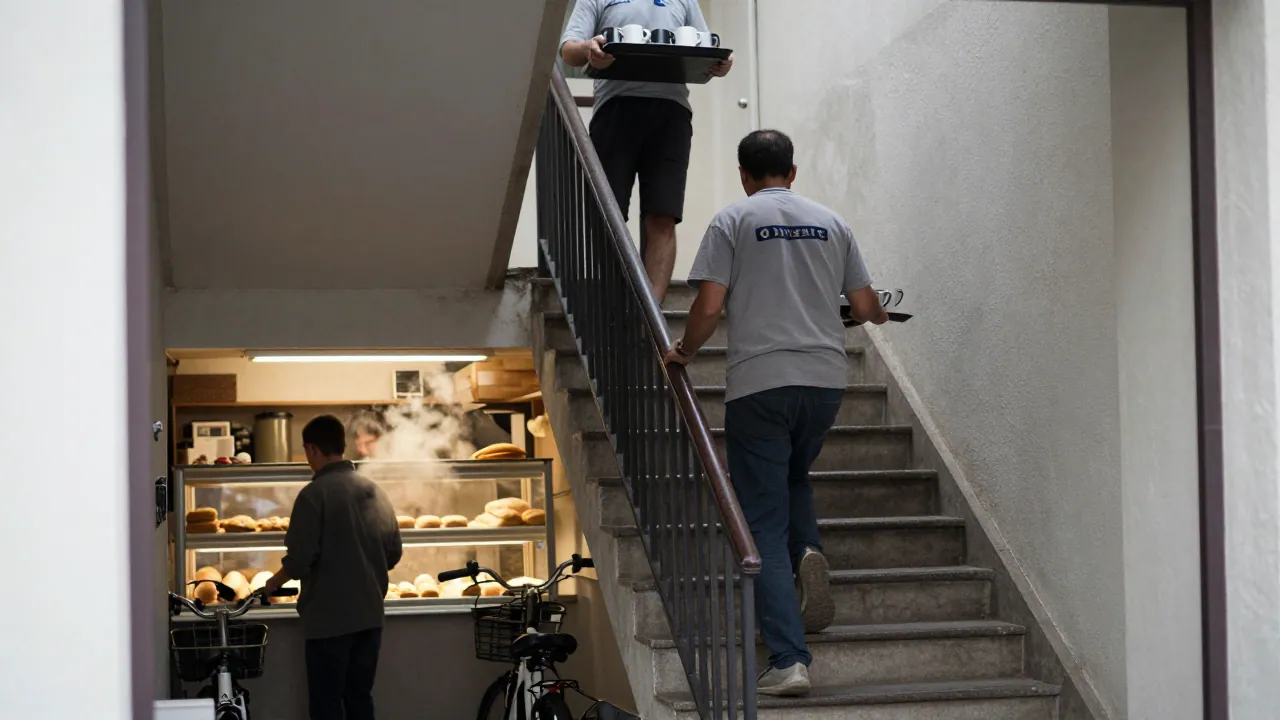
The office was a shared room above a bakery. It smelled like bread until noon. There were four desks, a long table for working sessions, and a shelf of mismatched mugs. I was given the desk near the window and a set of keys that took me two days to figure out. The lock sticks unless you lift the door slightly. Nobody mentioned it, because for everyone else it was obvious.
I spent most of that week reading old reports and asking short questions. What does this abbreviation mean? Who usually does this? Is this deadline fixed or flexible? The answers were often half-sentences, but they added up. By Friday, I could follow a conversation about an upcoming training course without needing a translation.

The Tasks Nobody Assigns
What surprised me was how much of the work was not written down anywhere. Someone noticed the printer was low on paper and ordered more. Someone else remembered that the room needed extra chairs for Thursday. These were not in any schedule, but they mattered. I started doing them too: refilling the paper, wiping the table after lunch, checking that the window was closed before we left.
Nobody thanked me for these things, and that was fine. The point was not gratitude. The point was that the work held together because people did small things without being asked. When I stacked chairs after my first working session, a colleague looked up and said, "Oh, you noticed." That was the first moment I felt like part of the group.
In the second week, I was asked to help prepare materials for an art-based session. I am not an artist. I said so. The coordinator laughed and said, "That is exactly why we need you." I ended up cutting paper, sorting markers, and holding a steady sheet while someone else drew. It was not glamorous, but it was useful. You can read more about that kind of session in running an art-based session when half the group won't draw.
The Meeting That Changed My Mind
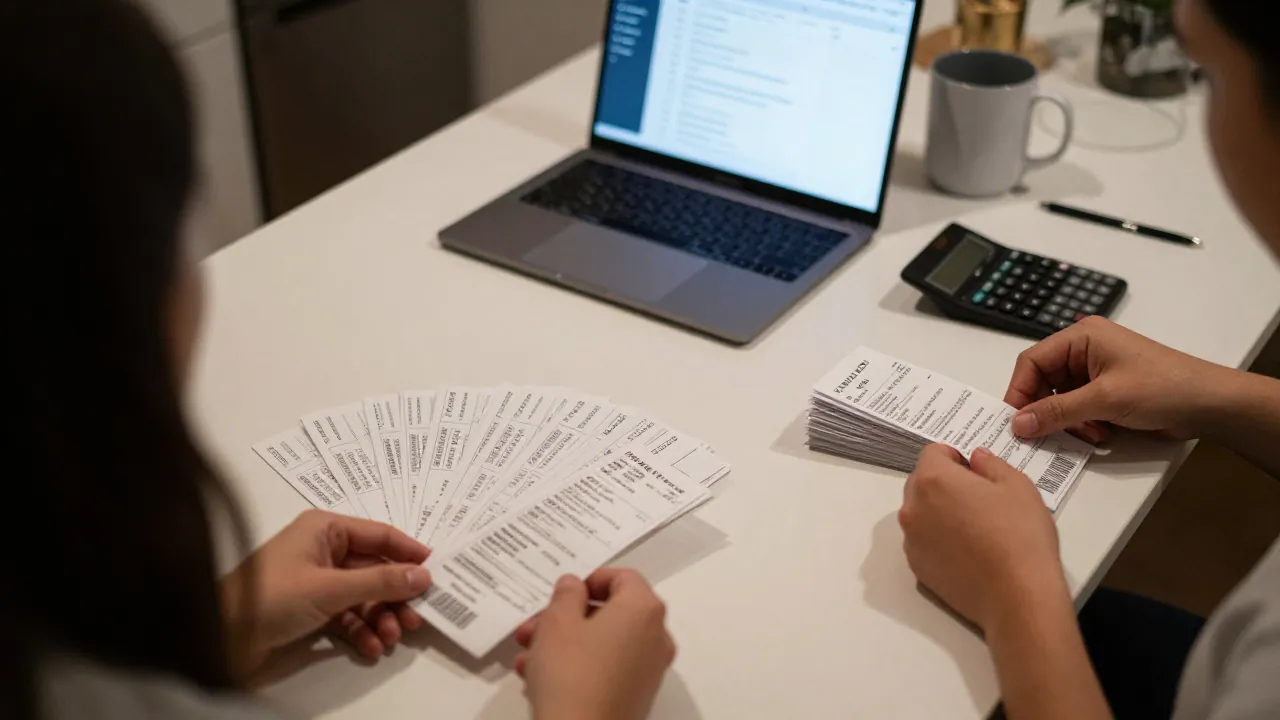
In the third week, I was invited to a planning meeting for a youth exchange budget. I had prepared a spreadsheet and some ideas about where to save money. I was proud of it. Ten minutes in, I realized I had misunderstood the purpose of the meeting. It was not about saving money. It was about making sure the budget matched the values of the project: fair pay for trainers, decent food, and enough room in the schedule for rest.
I put my spreadsheet away. I listened. The conversation moved slowly, with long pauses and occasional disagreements about small numbers. By the end, I understood that a budget is a statement of priorities. It is not just arithmetic. That meeting taught me more about the organisation than any document I had read. If you are planning something similar, the piece on planning a youth exchange budget covers the principles we used.
The first month is not about proving what you can do. It is about learning how we do things here, and why.
Week Four: Small Signs of Trust
By the last week, I was given a set of keys to the storage cupboard and asked to lock up on Friday. That felt like a promotion. I also noticed that people started asking my opinion on small things: which room to use for a workshop, whether to schedule a break earlier. I did not have grand answers, but I had been paying attention. I knew which room got too warm in the afternoon and which one had a door that slammed.
The tasks that mattered most were the ones that built trust. Remembering to bring the extra markers. Sending a short message to confirm a time. Putting things back where they belonged. None of these appear in a volunteer contract, but they are the real work of settling in.
On my last day, I stacked chairs for the final time and handed back the keys. I had not changed the world. But I had learned to open a stubborn door, to ask better questions, and to see how a small organisation runs on small habits. If you are about to start a placement, give yourself a month before you judge what you are contributing. The first weeks are for listening. The rest follows.
Questions people ask
What should I do if I feel lost in my first week?
Ask short, specific questions and write down the answers. It is normal to feel disoriented. Give yourself time to learn how things work before trying to change anything.
How do I build trust with a new team?
Do the small, unglamorous tasks that keep things running. Remember details, follow through on what you promise, and pay attention to how the team already works.
Is it okay to suggest changes in my first month?
Yes, but wait until you understand the reasons behind current practices. Listen first, then offer ideas. Changes that respect existing values are more likely to be welcomed.