How We Pick a Venue for a Small Training Course
Our checklist for hostels, mountain guesthouses and off-season resorts, from meal times and quiet rooms to the walk from the bus stop.
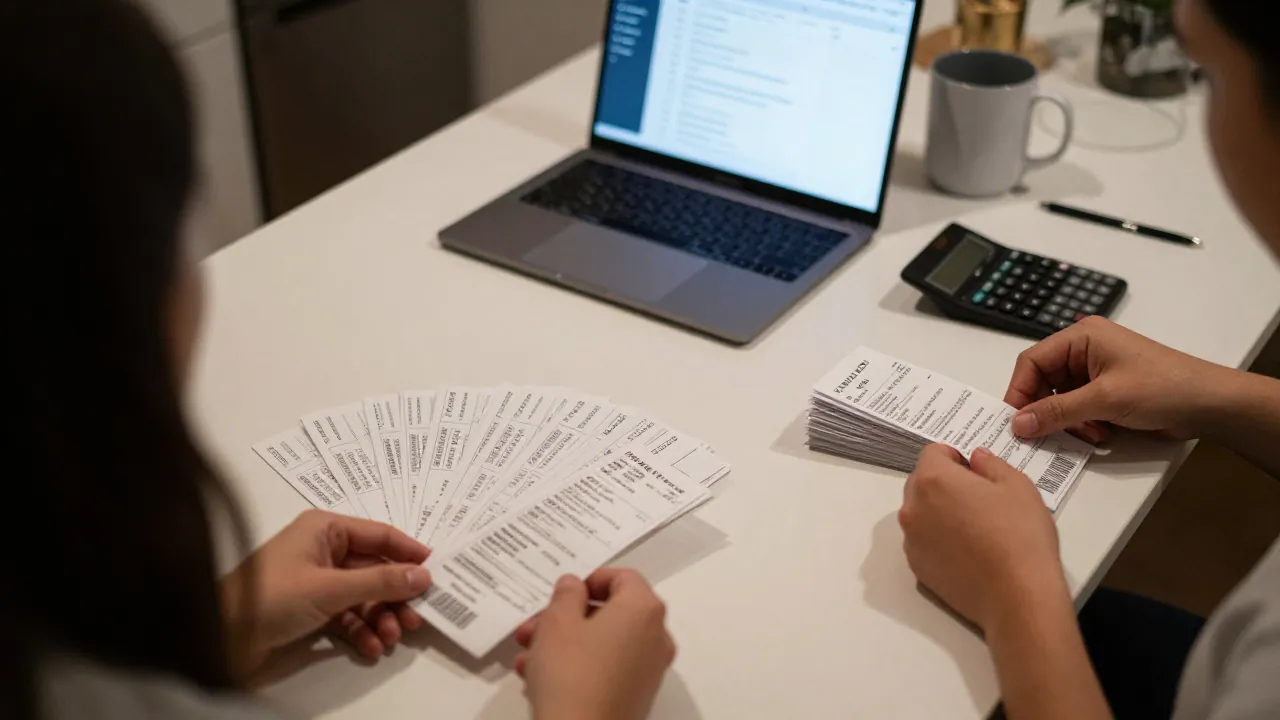
Every course we run starts with the same unglamorous question: where will people sleep, eat and find a quiet corner? We have learned that a venue can make a small group feel looked after, or quietly wear everyone down by Wednesday. This guide is for hosts and coordinators choosing a place for a group of roughly fifteen to twenty-five people over five to ten days. It walks through the checks we do before signing anything, so you can compare a city hostel, a mountain guesthouse and an empty summer resort on the same terms. We also keep the budget lines in view while we compare.
We usually start with three or four candidates and compare them on the same short list. Price matters, but it sits further down than most people expect. A venue that saves us two hundred dollars and costs the group an hour of walking each day is not a saving.
What we need before we look at price
- Sleeping: single beds or bunks, and how many people share a room. We ask for the plan of every floor.
- Bathrooms: how many showers per person, and whether hot water runs in the evening when sessions end.
- Food: meal times, whether the kitchen can serve vegetarian or other dietary needs, and where people can fill a water bottle.
- Workspace: one room that fits the whole group in a circle, with daylight and a door that closes.
- Quiet: at least one room or corner where someone can sit alone without being asked if they are okay.
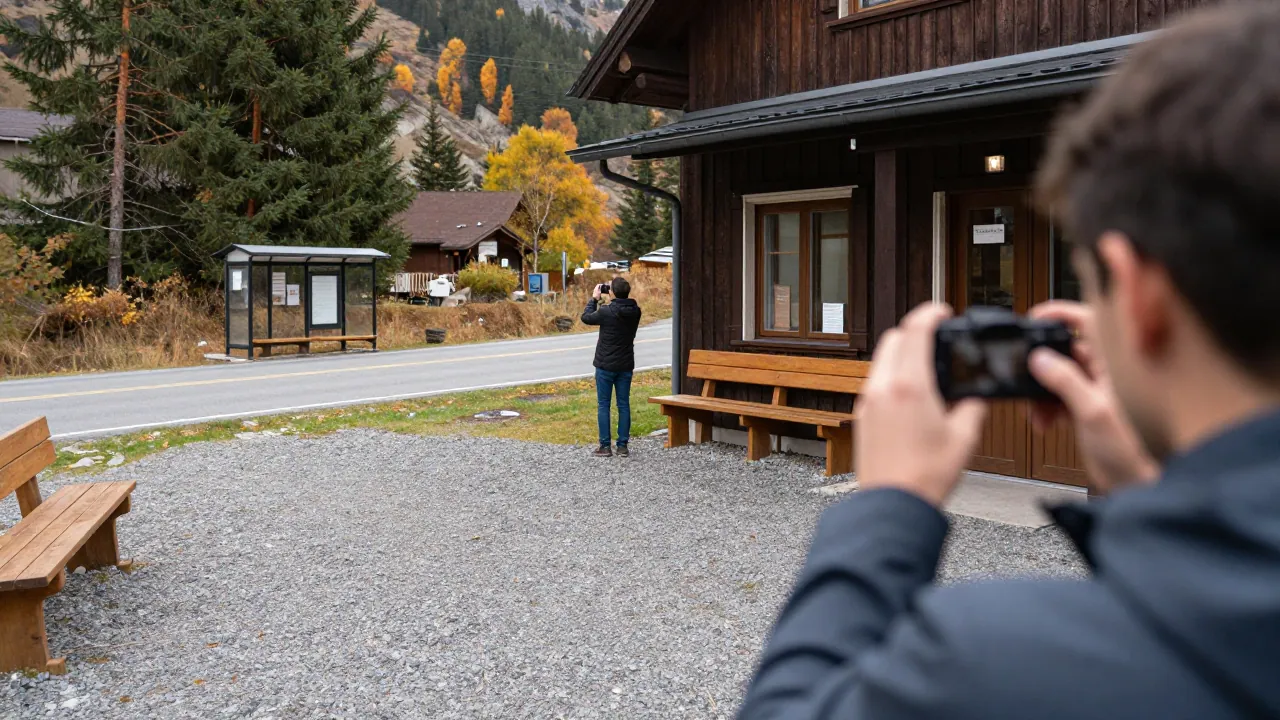
- Access: the walk from the nearest bus or train stop, and whether the last stretch is uphill or unlit at night.
The access line matters more than it looks. We once booked a guesthouse that was a twenty-minute climb from the village, fine in daylight and miserable with a suitcase after dark. Now we ask for a photo of the final approach and the time it takes at a normal walking pace.
The visit, or the video call that replaces it
- Ask for a live video call at the time of day you will actually arrive, not a set of polished photos.
- Walk the route from the transport stop to the door during the call, or ask the host to film it.
- See the session room with chairs in it, and ask what else is booked in the building that week.
- Open a bedroom door and listen: is there a bar, a road or a schoolyard on the other side?
- Ask who is on site at night and how to reach them.
- Ask what happens if the group arrives late because a bus is delayed.
The question about other bookings has saved us twice. A hostel that looked calm in photos had a wedding party in the courtyard on our third night. We moved the evening session indoors and asked for a quieter room block, but it would have been easier to know beforehand. If your group includes people who need predictable quiet, read this alongside our notes on inclusion habits and raise them at the visit.
Comparing three kinds of venue
| Check | City hostel | Mountain guesthouse | Off-season resort |
|---|---|---|---|
| Sleeping | Bunks, 4–8 per room | Small rooms, 2–4 beds | Twin rooms, plenty of space |
| Meals | Flexible times, simple food | Fixed times, home cooking | Buffet, but often early |
| Quiet space | Hard to find | Usually a lounge or veranda | Easy, but corridors are long |
| Getting there | Walkable from transport | Often a climb or a transfer | Usually needs a shuttle |
| Cost in low season | Middle | Low | Lowest per person |
| Main risk | Noise and other guests | Isolation and thin walls | Distance from everything |
Off-season resorts deserve a note. They are empty, cheap and generous with space, and the staff are often glad of the booking. The trade-off is location: we budget a shuttle or a long walk into the daily plan, and we check that the kitchen still runs at full service when only one group is in the building.
Meals, timing and the shared kitchen
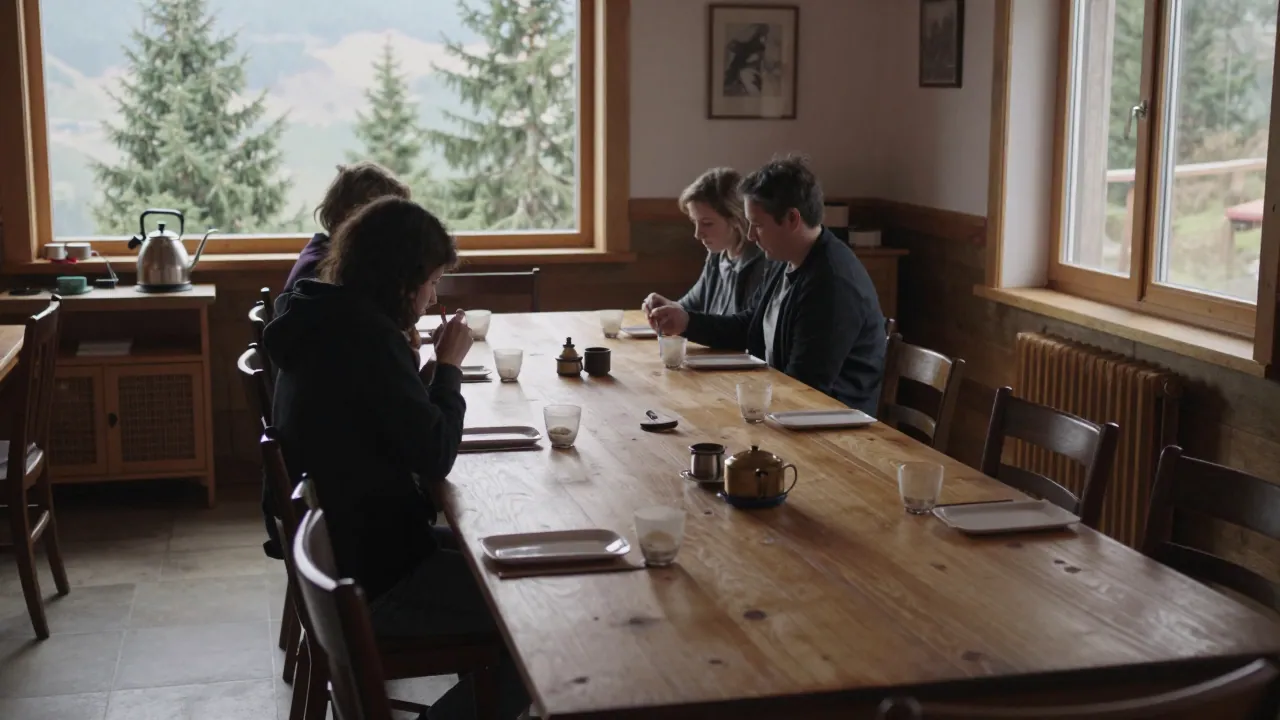
Meal times shape the whole day, so we agree them in writing. A kitchen that serves dinner at six and closes at seven is fine if sessions end at five. It is not fine if people need twenty minutes to walk back from a workshop elsewhere. We ask three things: can the times move by half an hour on request, can the kitchen keep a plate for someone who missed a meal, and is there a fridge shelf and kettle the group can use between meals.
A shared kitchen is a small test of group life. If the venue has one, we ask how many groups use it at once and whether there are labelled shelves. Our volunteer stories show how much this matters in the first weeks; see a volunteer's first month for what people notice when the basics are unclear.
Mistakes we have made
- Booking on photos alone, without a call at arrival time.
- Forgetting to ask what else is happening in the building.
- Assuming a rural venue is quiet when a road runs past the bedrooms.
- Not writing meal times into the contract, then negotiating every evening.
- Leaving the final walk from the stop out of the plan for people carrying bags.
None of these are dramatic. They are the small frictions that add up over ten days. A good venue does not need to be fancy; it needs to be predictable, and the person answering your questions needs to be the same person who will be there when you arrive. Once the venue is settled, the rest of the planning gets easier, from the daily agenda to the closing circle.
Questions people ask
How far ahead should we book a venue?
For a group of fifteen to twenty-five, we start looking three to four months ahead for hostels and guesthouses, and five to six months for off-season resorts that need to reopen a kitchen for us.
Is a cheaper rural venue worth the extra travel?
Sometimes. Add the shuttle or taxi cost, the time lost each day and the effect on people who tire easily. If the total is close to a town venue, choose the town.
What should go into the contract?
Room plan, meal times, deposit and cancellation terms, the name of the on-site contact, and what happens if the group arrives late. Keep it to one page if you can.