What a Sharing Economy Theme Looks Like on a Youth Exchange
How we turn a broad idea into swap sessions, shared cooking, and a city quest that youth workers can copy day by day.
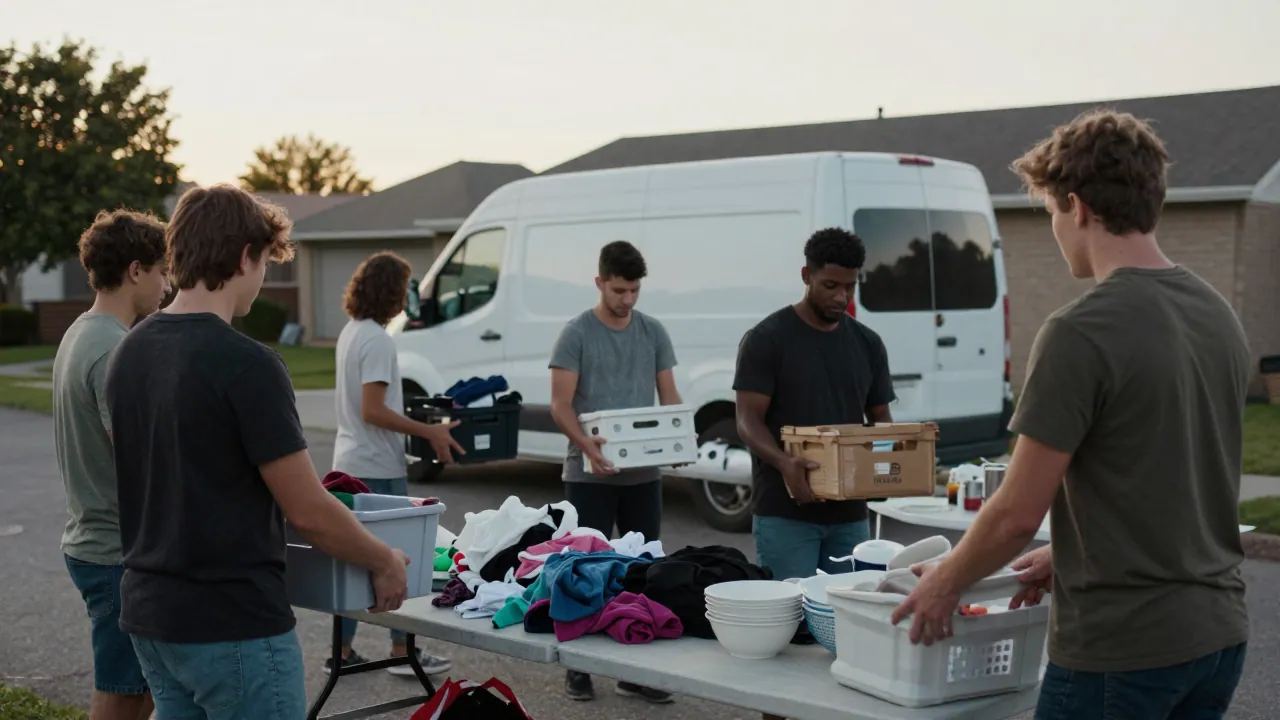
When a youth exchange takes on the sharing economy as its theme, the risk is that it stays a word on a poster. https://halotuziemia.com/ We have learned to make it physical: a table of things to swap, a kitchen rota, a city quest that asks participants to borrow rather than buy. This piece breaks down the daily structure we use, from the first group agreement to the closing circle, so other youth workers can lift it into their own programme. We ran a version of it on a seven-day exchange in Kobuleti, Georgia, and the shape has held up since. What the exchange actually covered gives the wider frame; here we get specific.
Start with a group agreement, not a definition
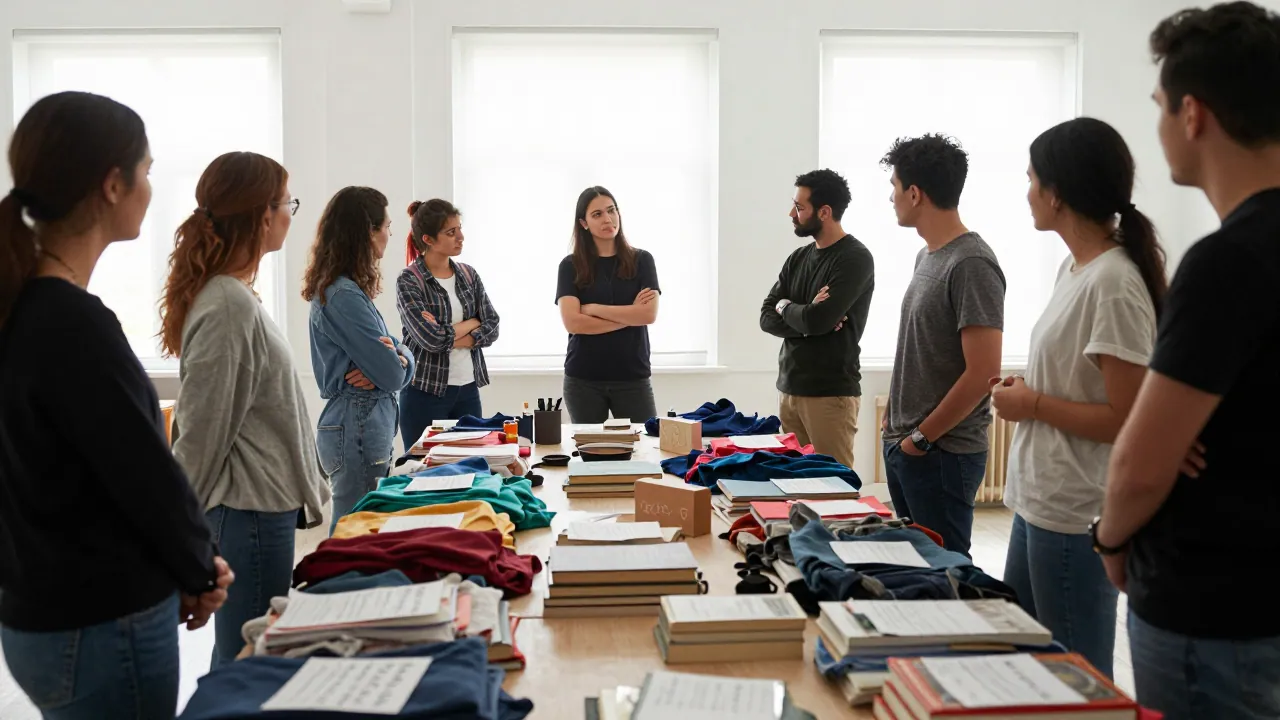
We open with a group agreement because the sharing economy in a youth exchange is first a set of habits between people. Before anyone defines collaborative consumption, the group writes what they need from each other: how we borrow, how we return, how we say no. That list stays on the wall and gets used. It is the same instinct behind the three inclusion habits we now build into every agenda, and it saves hours of friction later.
Only after the agreement do we define terms. Sharing economy, in plain words, means using goods, spaces, skills, and time more intensively instead of owning more. Barter, borrowing, co-use, lending, and repairing all sit under it. We keep the definition to a ten-minute conversation and then move to an activity. If the theoretical part goes longer, participants start debating definitions instead of practising the behaviour.
A daily structure you can copy
Our days follow a rough rhythm: a short morning check-in, a hands-on block before lunch, shared cooking or a shared task in the middle, and a longer activity in the afternoon. The evening debrief is fixed. Each block has a sharing-economy layer, which means we do not need a separate workshop on the topic.
| Day part | Activity | Sharing-economy layer |
|---|---|---|
| Morning | Check-in and short input | Participants name one thing they borrowed or lent since yesterday |
| Late morning | Swap session | Bring one item you no longer need; leave with something useful |
| Midday | Shared cooking | Rota for shopping, cooking, and washing up with a fixed budget |
| Afternoon | City quest | Ask local people for directions, a story, or a small favour instead of buying |
| Evening | Debrief | What did we share today, what was hard, what would we repeat |
The rhythm is deliberately boring. It repeats, so participants stop noticing the structure and start noticing the behaviour. For a longer version of this shape, see the notes from seven days in Kobuleti.
Swap sessions: small rules, real learning
A swap session sounds simple and is not. We ask everyone to bring one item they no longer need, something in working order. We set three rules: no money changes hands, every item comes with a short story from its owner, and nothing leaves the table unless someone actually wants it. The story matters because it turns a table of objects into a conversation about why we bought them.
What participants learn is rarely about the objects. They notice how quickly they defend a possession, how hard it is to accept something free, and how much they already share without naming it. We keep the session to ninety minutes and follow it with a fifteen-minute debrief. If you want the background thinking, the sharing economy explained for youth workers covers the concepts without turning the session into a lecture. For a wider view of how sharing fits into exchange learning, https://halotuziemia.com/ collects practical notes from similar projects.
Shared cooking and the city quest
Shared cooking is where the theme becomes unavoidable. We divide the group into cooking teams that rotate, give each team a fixed food budget for one meal, and ask them to plan, shop, cook, and clean together. The budget is small on purpose. Teams have to talk about quantities, leftovers, and who eats what. It is the most reliable inclusion tool we have, because everyone can contribute something, even if it is peeling potatoes.
The city quest takes the theme outside. Small teams get a list of tasks that require asking rather than buying: find out where a local person borrows books, ask a shopkeeper what they do with unsold bread, trade a skill with someone for a favour. The task is not to collect facts but to practise asking. We build in a return time and a debrief, and we never send a team out without a local contact. The budget for the quest is zero, which is part of the point.
What goes wrong, and how we adjust
The most common problem is that participants treat sharing activities as games and not as practice. We counter this by making the debrief specific: what did you borrow, from whom, and how did it feel. Another problem is that the group with the most confidence dominates the city quest. We set teams in advance and give quieter participants a clear role, such as timekeeper or note-taker, so the task does not depend on who speaks loudest.
We also plan for the moment when the theme feels forced. Not every group arrives excited about collaborative consumption. When a session went quiet in the past, we learned to stop explaining and start doing. One reliable fix is to hand the group the rota and the budget and let them run the next meal without us. Responsibility is more convincing than a definition. For more on that adjustment, see when facilitation went quiet.
Finally, we keep a short written record of what was swapped, cooked, and asked, so the next group can see the structure rather than reinvent it. That record is how a theme becomes a method.
Questions people ask
Do participants need to bring items for the swap session?
Yes. We ask each person to bring one small item in working order that they no longer need. We also keep a few spare items so nobody is left out if they forget or arrive with nothing to give.
How do we handle food allergies in shared cooking?
We collect dietary needs before the exchange and put them on the cooking rota. Teams plan meals together and a facilitator checks the plan before shopping. No one is asked to cook or eat something that does not fit their needs.
Can this structure work on a shorter exchange?
It can. On a five-day exchange we keep the swap session and one shared meal, and shorten the city quest to a single afternoon. The daily debrief stays, because that is where the learning becomes visible to the group.