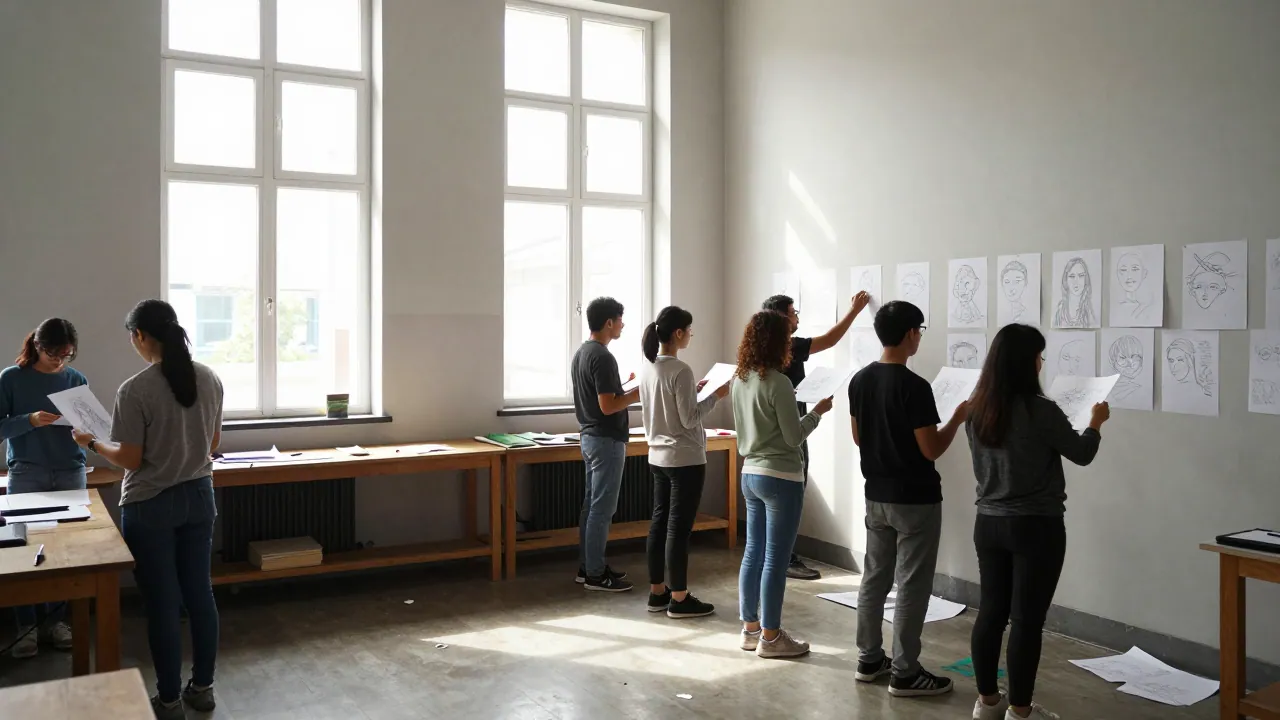
What We Pack for a Mountain Training Course, and Why
A practical list drawn from our art-course weeks in the mountains: materials that survive the trip, layers that work, and the small things groups always forget.
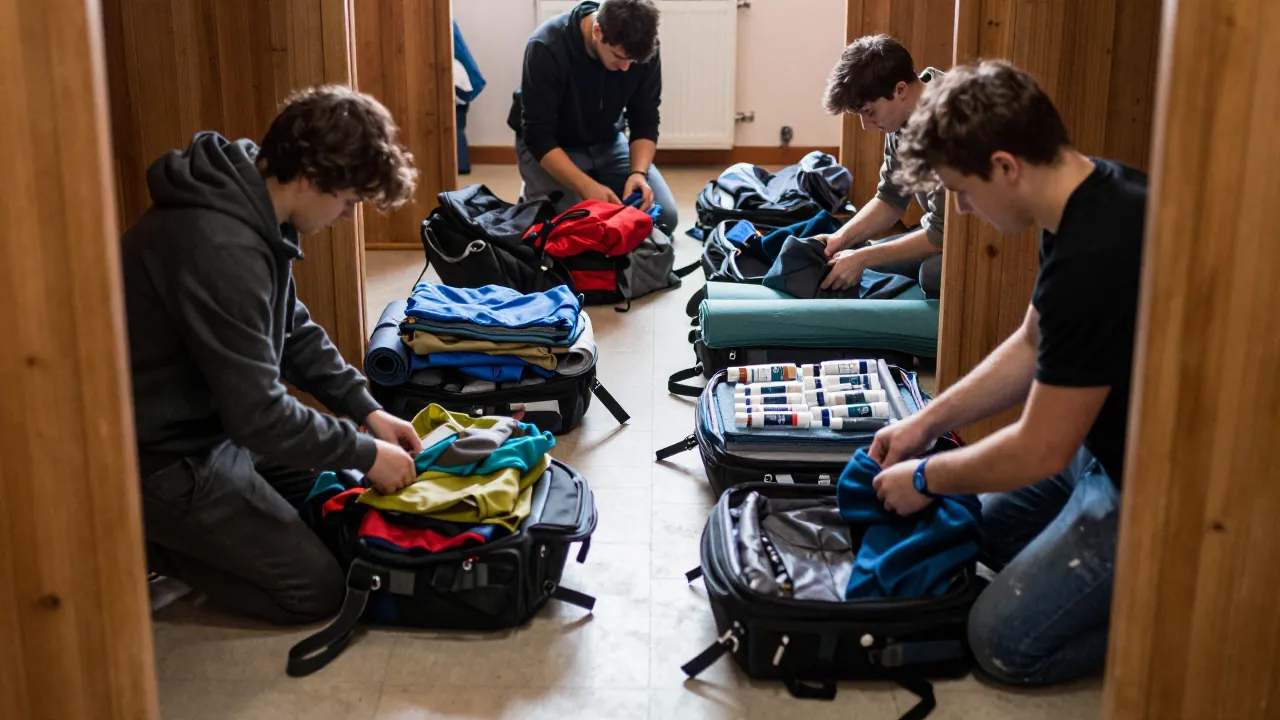
Every course we run in the mountains teaches us the same lesson: the packing list matters as much as the programme. https://cwdir.org/ A group that arrives with the right brushes, a second fleece and a headlamp spends its energy on the work, not on solving avoidable problems. This guide is for participants and hosts preparing for a residential art course, roughly a week to ten days, in a place where the nearest shop is a bus ride away. Read it together, adapt it to your venue and season, and you will arrive calmer. For the shape of a typical week, see our ten-day course diary.
Below we describe how we build the list for our own weeks. It is not a rulebook. A course in late spring at a low venue needs less than a course in October at a hut above the treeline. Use the list as a starting point, then check it against the venue notes and the season. Our approach to choosing a site is set out in how we pick a venue for a small training course.
Start With Questions, Not With a Bag
Before anyone packs a single item, the group needs four answers. Who carries shared materials, and how are they split between people travelling by air and people arriving by car? What can the venue supply — tables, water, drying space, a room that can get messy? What is the weather likely to do on the dates you have chosen? And how does finished work get home, given that paintings and wet clay do not travel neatly?
We ask these questions in writing and collect answers from everyone, including the quieter participants. That short exchange prevents most of the problems we used to meet on arrival night. For a wider view of what to settle before departure, https://cwdir.org/ is a directory of youth organisations and resources that we check when we need to compare venue notes and local contacts.
The Art Kit, Sized for a Rucksack
Our rule is small quantities, well labelled, tested at home. A full tube of every colour is weight nobody needs. Our standard group kit covers the following.
- Sketchbooks, A5 and A4, one each, plus two spare for the group
- Graphite pencils in three grades, a sharpener and a kneaded eraser
- A compact watercolour set with six to eight pans, and two water brushes
- One or two mid-size brushes per person, plus a roll for transport
- Masking tape, a small pair of scissors, a glue stick and a craft knife with a cover
- A few sheets of good paper for the final pieces, rolled in a tube
- A cheap apron or an old shirt, because paint finds everyone
- A cloth bag for collected leaves, stones and found paper
We also ask each person to bring one material they already know how to use well. Someone who works in charcoal will teach the group more in an hour than any handout. If you are worried about the people who say they cannot draw, we wrote about that separately in running an art-based session when half the group won't draw.
| Item group | Bring from home | Ask the venue |
|---|---|---|
| Paints and paper | Personal sets, sketchbooks, spare paper | Tables, water jars, cloths |
| Wet or messy work | Aprons, gloves, plastic sheeting | A room that can be cleaned easily |
| Drying space | String, clips, a light board | Shelves, a dry corner, a locked room |
| Finished work | Roll tube, folders, bubble wrap | Cardboard and tape for packing |
Warm Layers and Weather That Changes Its Mind
Mountain weather turns quickly, and a course that starts in sun can end in fog and rain. We tell people to pack three upper layers: a thin base, a fleece or wool midlayer, and a waterproof shell. One heavy coat is harder to adjust and heavier in the bag.
- Two pairs of walking trousers, one that dries fast
- Three pairs of socks, at least one thick wool pair
- Broken-in boots and a pair of trainers for indoors
- A warm hat and thin gloves, even in summer
- A headlamp with spare batteries, because paths are unlit
- A refillable water bottle, one litre or more
- Sun hat, sunscreen and insect repellent in the warm months
The Small Things Groups Always Forget
These items come up again and again in closing circles, when people admit what they missed. We now put them on the list in bold.
- A small notebook for the group journal, separate from the sketchbook
- A plug adapter that fits the local sockets, and a short extension lead
- A laundry bag for damp clothes, so the rest of the rucksack stays dry
- Cash in small notes for the village shop, where cards often fail
- A favourite mug, because shared kitchens have too few
- Earplugs and a sleep mask, for shared rooms and early risers
- A small repair kit: needle, thread, tape, spare laces
A shared kitchen works better when one person owns the shopping list and another owns the cleaning rota. We have run courses where the cooking rota was the most useful document of the week.
What to Leave at Home, and What to Bring Back
Leave behind the full studio kit, the heavy easel, the books you will not open. If a material is expensive or hard to replace, bring it only if you accept it may come back damaged. Mountain rooms are dusty and shared.
Bring back less than you think. Photograph large work before it leaves the site, roll paper loosely, and keep a small folder of the pieces that matter. On the last morning we lay everything out, photograph it and let people take home only what fits.
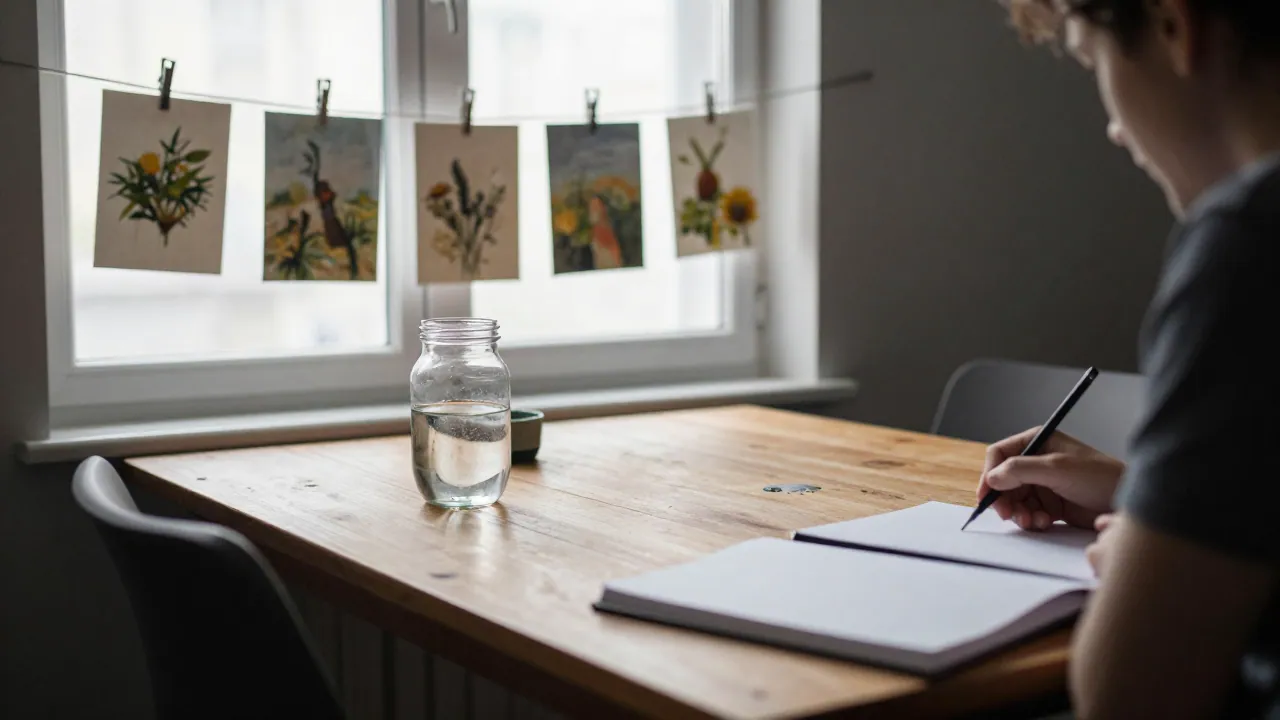
The list we send now is shorter than the first one, and people carry less. Almost nobody misses what we took off it.
If your group is travelling from several countries, agree early who carries the shared kit through security, and check the budget for baggage and materials. Our notes on what Erasmus+ youth exchanges actually cover explain which costs usually sit where.
Questions people ask
How much art material should each person bring?
Enough for personal work and a little to share: one sketchbook, a compact paint set, two brushes and an apron. The group kit supplies paper, tape and spare tools. Heavier materials are bought or borrowed near the venue when possible.
What if someone cannot afford the full list?
Tell the host early and privately. We keep a small stock of spare layers, boots and sketchbooks for exactly this, and shared materials are bought for the group rather than per person. No one should be asked to explain their budget in front of others.
Do we need to bring work home at the end?
Photograph everything first, then choose. Large or wet pieces travel badly, so roll paper loosely and keep a slim folder. Many groups leave a piece at the venue as a thank-you and post the rest later.